
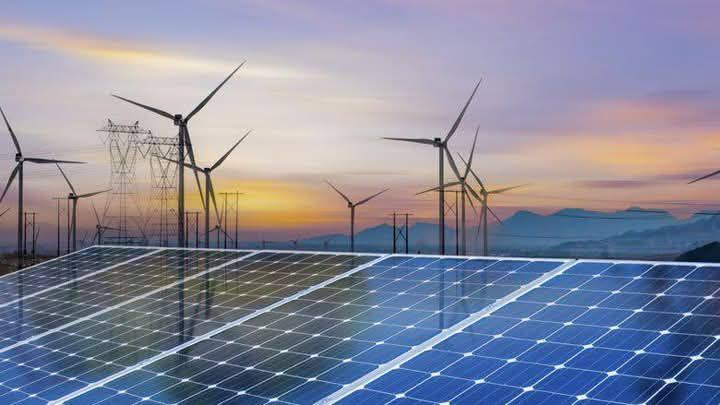
UAE Targets Energy Security Through $54bn Clean Energy Investment Plan
The United Arab Emirates is accelerating investment in clean energy, nuclear power and efficiency measures as it seeks to strengthen electricity supply security while accommodating economic and population growth.
Speaking ahead of World Energy Day on 22 October, Suhail bin Mohammed Al Mazrouei, Minister of Energy and Infrastructure, said the country’s energy strategy centres on diversifying generation sources, expanding clean energy capacity and improving resource efficiency.
The approach reflects the UAE’s position that energy security and emissions reduction must advance together, supported by long-term planning, technological development and greater private sector participation.
The country’s renewable energy capacity increased from 129 megawatts in 2015 to more than 8.2 gigawatts in 2025, representing growth of over 63 times. Clean energy contributed 32.4% of electricity generation last year, with the UAE targeting a 35% share by 2031.
To support further expansion, planned national investments of up to AED200 billion (approximately US$54.5 billion) through 2030 will fund clean energy development and help meet rising demand.
Nuclear power also remains central to the country’s generation strategy. The 5.6GW Barakah Nuclear Energy Plant supplies approximately 25% of the UAE’s electricity requirements and avoids an estimated 22.4 million tonnes of carbon emissions annually.
Meanwhile, the targeted generation capacity of the Mohammed bin Rashid Al Maktoum Solar Park by 2030 has been increased by 60%, reinforcing the UAE’s commitment to expanding domestic solar generation.
International investment is another pillar of the strategy. Abu Dhabi-based Masdar has built a clean energy portfolio exceeding 65GW, backed by investments of approximately US$45 billion, and aims to reach 100GW of capacity by 2030.
Beyond generation, the government is prioritising energy efficiency to reduce consumption, improve resource utilisation and support economic competitiveness. Al Mazrouei said supply expansion must be matched by more efficient energy use to address growing demand sustainably.
The UAE is also pursuing international cooperation on the energy transition. The UAE Consensus established a global goal of tripling renewable energy capacity by 2030, while the country leads the Global Energy Efficiency Alliance, which supports efforts to double the global average annual rate of improvement in energy efficiency.
Looking ahead, priorities include accelerating project delivery, mobilising private investment, developing financing mechanisms and scaling emerging technologies into commercially viable solutions.
The strategy positions diversification, investment and efficiency as complementary tools for strengthening energy resilience while advancing the UAE’s longer-term emissions objectives.