
South Africa Reaffirms Its Push for Independent Electricity Transmission Operator
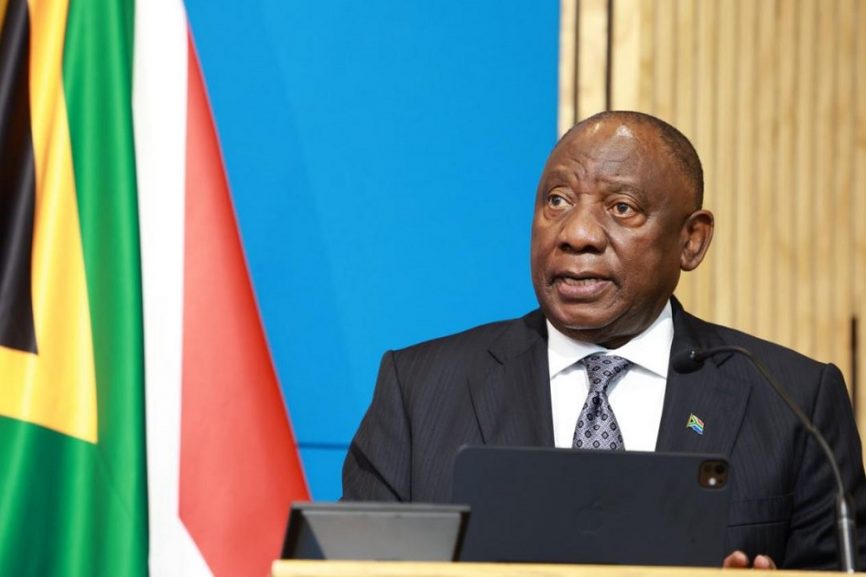
South Africa’s electricity market is moving closer to a major structural change, with President Cyril Ramaphosa reaffirming the government’s commitment to establishing an independent Transmission System Operator (TSO) as part of the country’s broader power-sector reforms.
Ramaphosa met Eskom Board Chairperson Mteto Nyati on 27 August, where discussions centred on the restructuring of the state-owned utility and the future of South Africa’s transmission network.
At the heart of the reform programme is the creation of a fully independent TSO that will own and control transmission assets. Government views the move as critical to creating a more competitive electricity market, attracting private investment and expanding the country’s constrained transmission infrastructure.
The restructuring process is being overseen by the Eskom Restructuring Task Team, comprising representatives from The Presidency, National Treasury, the Department of Electricity and Energy, Eskom and the National Transmission Company South Africa (NTCSA).
Ramaphosa stressed that the future transmission entity will remain state-owned, positioning the network as a strategic national asset while allowing the electricity market to accommodate greater competition.
For investors and industry stakeholders, the reform is particularly significant as transmission constraints have increasingly emerged as a bottleneck for new generation projects. Limited grid capacity has delayed connections for renewable energy developments and complicated efforts to bring additional generation capacity online.
The President also acknowledged concerns raised by Eskom’s board regarding the financial implications of restructuring. He said government would work with Eskom, NTCSA and other stakeholders to ensure the process does not undermine Eskom’s financial position.
At the same time, government wants the future TSO to have sufficient capacity to finance the expansion and strengthening of the transmission network, while maintaining transparent and responsible engagement with lenders and other funding partners.
Nyati confirmed the Eskom Board’s support for the government’s policy direction and its commitment to maintaining alignment with the shareholder throughout the restructuring process.
The latest engagement follows discussions between Ramaphosa and the leadership of the National Union of Mineworkers, highlighting the government’s effort to consult stakeholders affected by the electricity-sector overhaul.
For South Africa’s energy industry, the success of the transmission reform will be closely watched. An independent and financially capable TSO could become a critical enabler of new generation investment and the country’s longer-term energy transition.