Shell Nears Exit From South African Downstream Market In $1bn ADNOC Deal
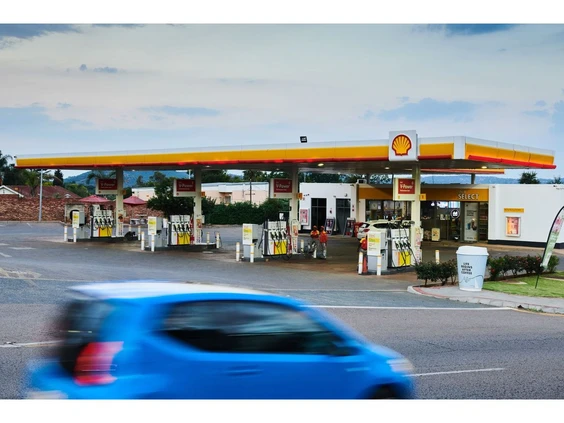
South Africa’s downstream fuel sector is poised for a significant realignment as Shell plc advances negotiations to divest its local retail and marketing assets to Abu Dhabi National Oil Company. The transaction, estimated at around $1 billion, would conclude more than a century of Shell’s direct participation in the country’s fuel retail market.
Sources familiar with the matter indicate the proposed sale includes a network of approximately 600 service stations nationwide. Completion of the deal would grant ADNOC an immediate foothold of close to 10% in South Africa’s retail fuel segment, positioning the Emirati group as a notable new entrant in the domestic downstream landscape.
ADNOC has reportedly emerged as the preferred bidder following earlier, inconclusive engagements with alternative buyers. Should the agreement be finalised—potentially within the current quarter—it would represent a rapid market entry strategy for the Gulf producer, aligning with its broader international expansion agenda.
The prospective divestment is consistent with Shell’s ongoing portfolio optimisation strategy, which has prioritised capital discipline and a shift towards higher-margin, integrated value chains. The company has, in recent years, signalled a gradual withdrawal from select downstream and retail markets globally, reflecting a wider recalibration among European majors.
Market dynamics have further reinforced this repositioning. Heightened geopolitical risk, particularly in the Middle East, has introduced volatility across oil and gas markets, prompting operators to reassess operational exposure and capital allocation. Shell recently revised aspects of its production outlook amid these pressures, underscoring the impact of macro instability on strategic decision-making.
For ADNOC, the acquisition would form part of a wider $150 billion capital deployment programme spanning 2026 to 2030, aimed at strengthening its global market presence across both upstream and downstream segments. Entry into South Africa offers immediate scale and access to one of the continent’s most developed fuel markets.
The transaction also reflects a broader structural shift within Africa’s energy sector, where international oil companies are increasingly rationalising retail portfolios, while national oil companies from the Gulf expand their downstream footprint to capture growing demand.
While the immediate impact for consumers is expected to be limited, the deal signals a deeper transition in market ownership and capital flows. As Western majors streamline and redeploy capital, Gulf-based players are stepping in—reshaping the competitive landscape and redefining long-term investment patterns across Africa’s energy value chain.