Senegal Accelerates National Gas Infrastructure Build-Out as RGS Targets Investment and Regional Integration
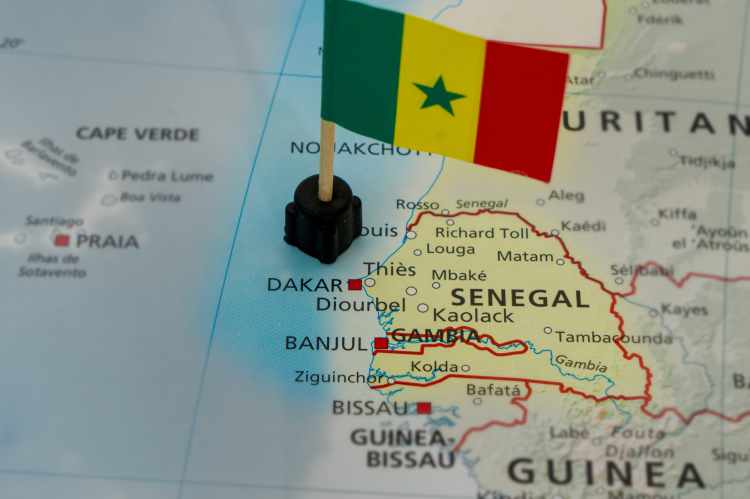
Senegal is moving ahead with plans to establish a nationwide gas transportation network, with state-owned Réseau Gazier du Sénégal (RGS SA) advancing a series of pipeline projects designed to underpin the country’s emerging gas economy.
The initiative comes as RGS Chief Executive Officer Pape Momar Lô prepares to participate in the 2026 OTC World Series Africa Energy Forum (AEF) in Houston, where industry leaders, investors and policymakers will discuss opportunities to expand Africa’s oil and gas sector.
As Senegal transitions from resource discovery to commercial utilisation, RGS is playing a central role in developing the infrastructure required to monetise domestic gas reserves and support long-term industrial growth. The company has been tasked with designing, constructing and operating the country’s national gas transmission system, a critical component of Senegal’s broader energy strategy.
At the heart of the programme is a nearly 400-kilometre integrated pipeline network comprising five development corridors. The system is intended to connect offshore gas production with power generation facilities, industrial consumers and key demand centres across the country. The first section has already entered the market allocation phase, while the remaining segments are scheduled for deployment over the coming months.
The planned network includes an 85-kilometre northern corridor capable of transporting 300 million standard cubic feet of gas per day (mmscf/d), with an estimated investment requirement of US$319 million. A further 110-kilometre section is expected to deliver similar throughput at a projected cost of US$212 million. The largest segment, spanning 100 kilometres, is designed to transport up to 713 mmscf/d and is valued at approximately US$248 million.
Additional sections include a 45-kilometre pipeline with capacity of 300 mmscf/d and an estimated cost of US$177 million, alongside a shorter 17-kilometre link capable of carrying 150 mmscf/d, requiring approximately US$174 million in investment.
Beyond supporting power generation, the network is expected to reduce Senegal’s reliance on imported fuels and create opportunities for gas-based industrial development. Authorities view the infrastructure as a key enabler of economic diversification and enhanced energy security.
The project also aligns with wider regional ambitions. Planned interconnection with the African Atlantic Gas Pipeline could provide Senegal with access to international markets while supporting greater energy integration across West Africa. Such connectivity would enable future gas exports and contribute to supply diversification across the region.
To finance the programme, RGS is pursuing a blended investment model that combines public-sector participation with private capital. The strategy is designed to attract infrastructure investors, EPC contractors and financial institutions, supported by long-term demand from utilities and industrial off-takers.
The urgency of these developments has increased following the start-up of the Greater Tortue Ahmeyim LNG project. With gas production now underway, expanding transmission infrastructure has become a priority to ensure Senegal can maximise the economic value of its growing natural gas resources and establish a sustainable foundation for future energy demand.
READ MORE
EACOP and TotalEnergies Highlight Youth’s Role in Tanzania’s Energy Future