
Ramaphosa Bets on Infrastructure and Energy Reform to Reignite South Africa’s Economy
President Cyril Ramaphosa has sought to reassure global investors that South Africa’s long-running electricity crisis is easing, as the government accelerates reforms aimed at rebuilding the country’s energy and infrastructure sectors.
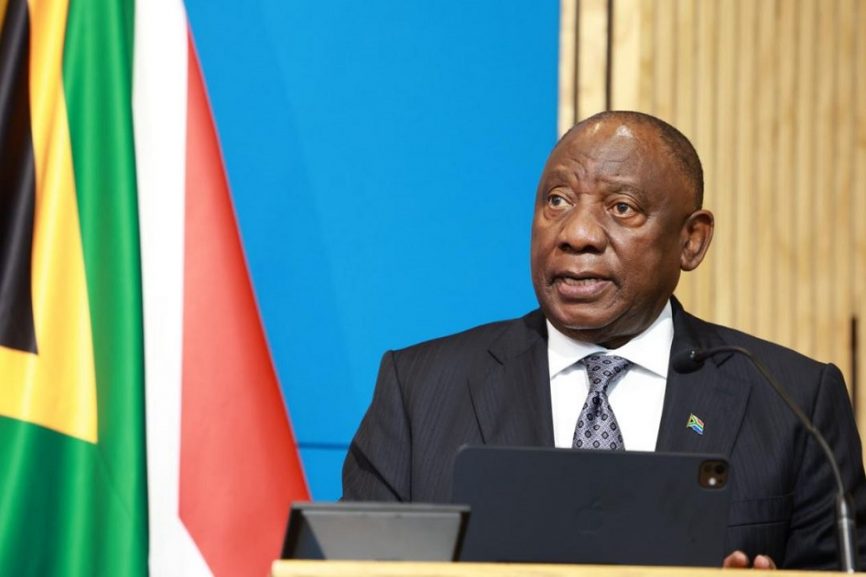
Speaking at the South Africa Infrastructure Investment Summit hosted by BlackRock and Global Infrastructure Partners, Ramaphosa positioned infrastructure as the foundation of South Africa’s economic recovery strategy, with energy reform at its centre. “The infrastructure investment will also expand electricity generation capacity, strengthen transmission networks and accelerate the transition to a more competitive and sustainable energy market,” Ramaphosa said.
South Africa’s economy has been heavily constrained by years of load-shedding caused by the deterioration of ageing coal-fired plants operated by Eskom. The crisis has disrupted mining, manufacturing and logistics operations, while undermining investor confidence and economic growth.
Although load-shedding has eased considerably over the past year, the country’s electricity system remains fragile. Grid constraints, ageing infrastructure and rising demand continue to pose risks to long-term energy security.
Ramaphosa said government reforms were beginning to stabilise the sector. “A debilitating energy crisis is largely behind us,” he said, citing improved coal plant performance, expanded private generation capacity and ongoing restructuring at Eskom.
The government is unbundling Eskom and opening the electricity market to greater competition as part of Operation Vulindlela, its flagship structural reform programme. At the same time, South Africa is accelerating investment in renewable energy, battery storage, transmission infrastructure and gas-to-power projects.
“We are in the process of restructuring the national power utility Eskom to create a more competitive electricity market,” the President said.
Infrastructure investment extends beyond energy. Over the next three years, the South African government plans to spend more than $60 billion on infrastructure projects across transport, logistics and public utilities.
The programme includes modernising ports, expanding freight rail capacity, and rehabilitating roads to restore Transnet’s competitiveness and strengthen South Africa’s role as a regional trade hub. Ramaphosa said private capital would be critical to delivering these ambitions, particularly as governments across emerging markets compete for investment.
“We are not merely building infrastructure. We are building a new growth path for South Africa, one defined by resilience, competitiveness and shared prosperity,” he said. The President added that the government had secured approximately $54 billion in investment pledges at its latest investment conference and was targeting $180 billion in new commitments over the next five years.
For the energy sector, Ramaphosa’s message was clear: South Africa is positioning itself not only to resolve its electricity crisis, but to become a regional hub for renewable energy, industrial decarbonisation and infrastructure-led growth.