OQEP and Libya’s Sovereign Wealth Fund Pursue Upstream Investment Opportunities
Oman’s OQ Exploration and Production (OQEP) has entered into a strategic cooperation agreement with the Libyan Investment Authority (LIA), signalling a growing appetite for cross-border investment in the oil and gas sector across the Middle East and North Africa.
The two organisations have signed a memorandum of understanding (MoU) aimed at identifying and developing joint investment opportunities in upstream oil and gas projects within Oman, Libya and selected international markets. The agreement establishes a framework for collaboration across exploration and production activities, reflecting both parties’ ambitions to expand their presence in key hydrocarbon regions.
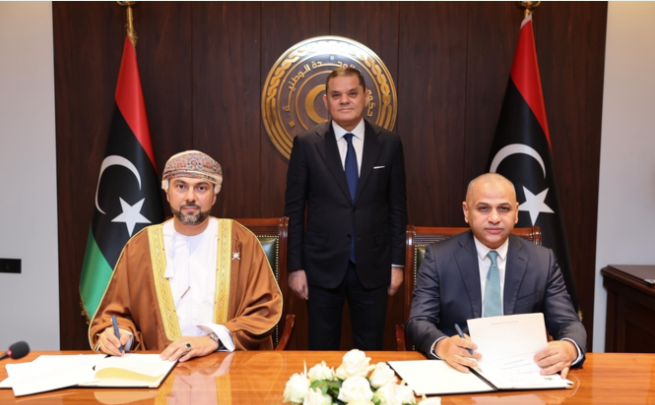
The MoU was signed by OQEP Board Chairman Ashraf Al-Mamari and LIA Chairman and Chief Executive Officer Ali Mahmoud Hassan during an official ceremony attended by Libya’s Prime Minister, Abdul Hamid Al-Dbeibeh.
According to the Oman News Agency, the agreement is designed to facilitate long-term cooperation in the upstream sector while creating a platform for future investment partnerships capable of delivering sustainable economic value.
The move comes at a time when energy investment activity is gaining momentum across the MENA region. Industry forecasts indicate that the regional oilfield services market is expected to grow from approximately US$34.7 billion in 2026 to US$45.7 billion by 2031, underpinned by renewed exploration activity, production enhancement programmes and increasing capital expenditure.
The partnership also coincides with continued growth in global natural gas production. Data from the Gas Exporting Countries Forum shows worldwide gas output increased by 1.2% in 2025, with the Middle East and Africa among the key contributors to the expansion.
For OQEP, the agreement supports its broader strategy of strengthening its upstream portfolio beyond Oman. The company has been actively pursuing opportunities to expand reserves, increase production capacity and establish a stronger presence in regional and international energy markets.
Libya remains an attractive destination for upstream investors due to its substantial hydrocarbon resources and strategic location within global energy supply chains. As the country seeks to attract fresh capital into its energy sector, partnerships such as this could play an important role in unlocking new exploration and production opportunities.
The collaboration is expected to provide both organisations with access to high-potential upstream assets while supporting portfolio diversification, reserve growth and long-term value creation. It also reinforces a wider trend of increased cooperation between regional energy stakeholders seeking to capitalise on emerging opportunities across the global oil and gas industry.