Nigeria’s Gas Sector Set to Benefit from AI Data Centre Expansion
The global artificial intelligence boom is driving unprecedented demand for electricity, creating new opportunities for gas-producing countries such as Nigeria. As technology companies expand AI infrastructure, securing reliable power has become a strategic priority, placing energy supply at the centre of the digital economy.
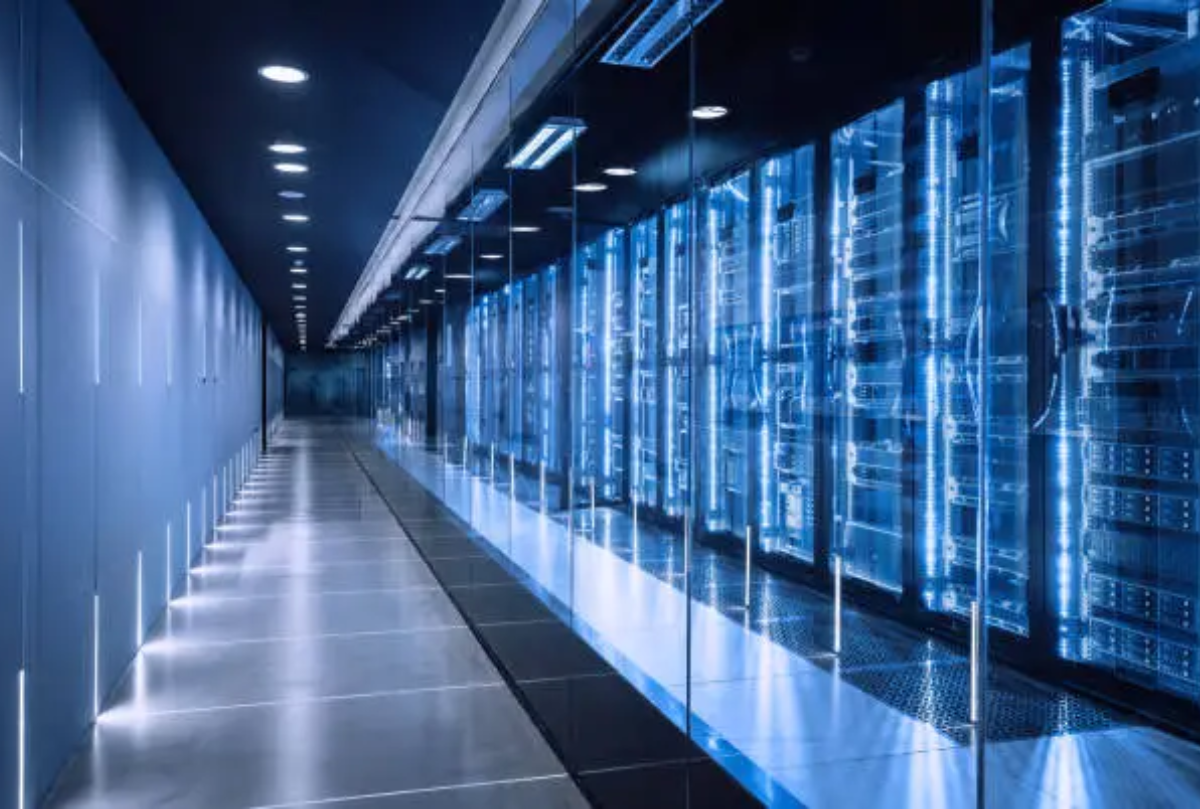
Across North America and Europe, major technology firms are increasingly partnering with energy companies, signing long-term power agreements and investing in dedicated generation capacity to support hyperscale data centres. These facilities consume significantly more electricity than traditional data centres due to the intensive computing power required for AI applications.
Recent developments illustrate the scale of demand. Google has outlined plans linked to 2.7 GW of power capacity for AI-related projects in the United States, while Microsoft has partnered with energy companies to secure gas-fired generation for its expanding AI operations.
For Nigeria, the trend presents a potential avenue for unlocking domestic gas resources. The country holds more than 200 trillion cubic feet of proven natural gas reserves, the largest in Africa, yet continues to face electricity shortages and infrastructure challenges. Meanwhile, demand for digital services is rising as internet access, cloud adoption, and data consumption continue to grow.
Industry experts believe AI infrastructure could provide the reliable, long-term demand needed to attract investment into Nigeria’s gas sector. Hyperscale technology firms offer strong credit profiles and predictable energy requirements, improving the viability of gas-to-power projects and supporting financing for associated infrastructure.
The country’s data centre market is already expanding. Industry estimates suggest that more than 20 facilities are operational, while significant investment is directed towards new AI-ready developments. Many of these projects are designed with dedicated gas-fired power systems to ensure uninterrupted electricity supply.
One example is Tetracore Energy Group’s planned $400 million data centre in Ogun State, which will be supported by a dedicated 100 MW gas-fired power plant. The project highlights the growing convergence between digital infrastructure and energy development.
Beyond supporting data centres, increased investment could stimulate pipeline construction, gas processing capacity and embedded power generation, while strengthening Nigeria’s digital ecosystem. As AI adoption accelerates globally, the country’s gas reserves could become a key enabler of future growth in digital infrastructure, positioning Nigeria as a potential technology and energy hub in West Africa.