Nigeria Greenlights $10bn Eni Deepwater Offshore Project
Nigeria has authorised a major deepwater upstream investment by Eni, clearing the path for an estimated $10.3 billion capital deployment across offshore assets. The approval marks a significant step in unlocking long-delayed resources and signals renewed momentum in the country’s upstream sector.
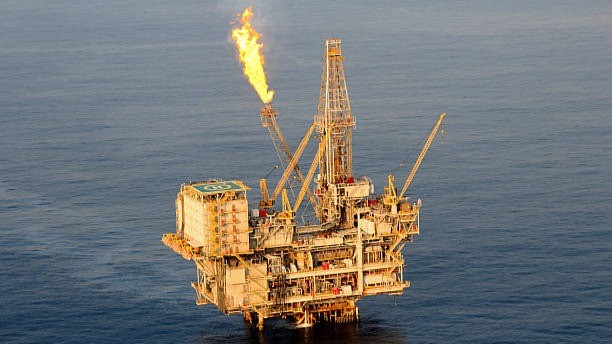
The investment will focus on the Zabazaba and Etan discoveries within the OPL 245 block, a historically contested licence area. Development plans centre on a large-scale offshore scheme, including a floating production storage and offloading unit (FPSO) and extensive subsea infrastructure designed to support long-term production.
According to project estimates, the fields hold recoverable volumes of approximately 560 million barrels of oil equivalent, with plateau output expected to reach 150,000 barrels per day. First oil is currently targeted for 2029, positioning the development as a key contributor to Nigeria’s medium-term production outlook.
Regulatory clearance follows years of legal disputes tied to OPL 245, involving Eni and Shell. The resolution of these challenges has been critical in restoring investor confidence and enabling project sanction.
Earlier in 2026, Nigerian authorities restructured the block into four separate licences—two Petroleum Mining Leases (PML 102 and 103) and two Petroleum Prospecting Leases (PPL 2011 and 2012). The assets are operated by Nigerian Agip Exploration in partnership with NNPC Ltd and Shell, which has established a revised framework aimed at de-risking development.
Eni has indicated it will fast-track execution under the new structure, while Nigerian regulators continue efforts to strengthen fiscal terms, contractual clarity and governance standards across the upstream industry.
The project aligns with Nigeria’s broader strategy to expand crude oil output through offshore developments, which are typically less exposed to security disruptions affecting onshore operations in the Niger Delta. Authorities are targeting production of 1.8 million barrels per day in the near term, with ambitions to scale to 3 million barrels per day by 2030.
This approval also complements Nigeria’s ongoing licensing strategy. A recent bid round covering 50 oil and gas blocks has drawn interest from major international operators, including TotalEnergies, ExxonMobil, Shell and Chevron.
Collectively, these developments underscore a renewed push to attract upstream capital, with commitments estimated at around $24 billion as Nigeria seeks to reinforce its position as a leading African oil producer.