Namibia Approves Nasan Energies Acquisition of 53 Fuel Retail Stations
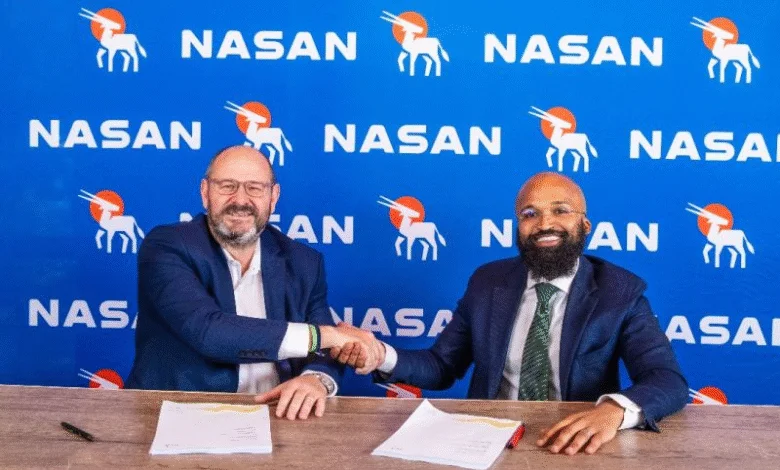
Nasan Energies, founded by Miguel Hamutenya, has been cleared by the Namibian Competition Commission to purchase 53 fuel service stations in the country. The company had applied in 2025 to purchase the stations from Vivo Energy and Engen.
The purchase of the stations by Nasan Energies is part of a regulatory remedy related to Vivo Energy’s acquisition of Engen’s regional operations. As part of the conditions of the new entitiy formed by merger, it is required to dispose of some of its stations to avoid a monopoly in the Namibian downstream petroleum industry.
However, the regulator stipulated that around 20% of the network would be sold to a locally owned company that had less than 10% of the market share and was not operationally connected to the selling companies. This was to ensure that the combined Vivo and Engen operation would continue to command around 40% of the market share.
The proposed acquisition was put under the spotlight earlier this year after there were raised concerns about possible links between Nasan Energies and Vitol, a global commodities trading firm. This is because Vitol is a major shareholder of Vivo Energy.
The focus was on the position of Hamutenya in the group as chief executive of Millennium Investment Holdings, a firm that has a partnership arrangement with Vitol through the joint venture, Validus Energy. Critics claimed that if Nasan is connected to Vivo via Vitol, it would be possible for the duo to dominate the Namibia fuel retail market up to the tune of 70%.
After its assessment, the NaCC approved the deal, suggesting that it is comfortable that Nasan Energies operates independently of Vivo Energy and its shareholder base.
The approval clears the way for Nasan to expand its presence in Namibia’s fuel retail sector while fulfilling the competition conditions imposed on the earlier Vivo–Engen merger. Once finalised, the acquisition will establish Nasan Energies as a growing domestic player in the country’s downstream petroleum market.