
Madagascar Ends Private Monopoly on Fuel Imports
Madagascar has taken a significant step towards greater state control of its fuel supply, ending a 25-year arrangement that gave a limited group of private companies exclusive control over petroleum product imports.
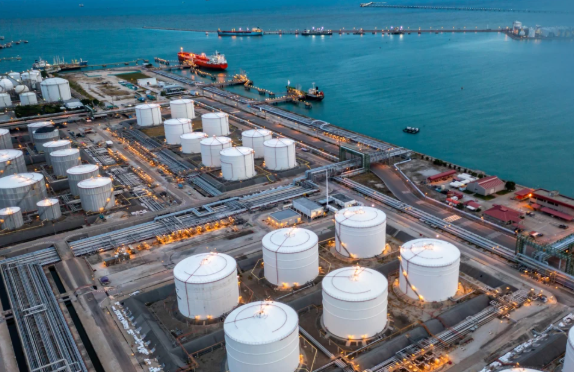
The policy shift was marked by the arrival of the Sunda 1 at the port of Toamasina, carrying diesel from China. Energy Minister Radonirina Lucas Rabearimanga said the government’s decision to procure fuel directly was intended to dismantle what he described as a longstanding import monopoly.
New legislation has enabled the state to assume responsibility for fuel procurement, removing the previous system under which private companies, including TotalEnergies, controlled import tenders.
The government’s intervention comes as Madagascar faces mounting pressure over energy security. The country has experienced persistent electricity shortages, with fuel constraints contributing to disruptions at power generation facilities and placing further strain on the national grid.
The newly imported diesel will primarily support Jirama, the state-owned utility, which operates power plants across the country. Authorities expect the additional supply to strengthen electricity generation and provide greater stability to the grid over the coming months.
The transition, however, does not immediately remove private-sector involvement from Madagascar’s downstream fuel infrastructure. A separate tanker carrying other petroleum products, ordered by private companies, is also expected at Toamasina.
Government officials are consequently coordinating with operators at the Galana storage facility, owned by Rubis Energie, to manage the storage and distribution of both state-procured and privately imported fuel.
For Madagascar’s energy sector, the move represents more than a change in procurement. It signals a broader attempt by the government to place fuel security at the centre of national energy policy, particularly as unreliable electricity supply continues to affect households and businesses.
The immediate priority is keeping power stations supplied and the grid operational. Longer term, the effectiveness of the new model will depend on whether the state can build a procurement system capable of securing competitive prices, reliable supply and efficient distribution without creating new bottlenecks in the downstream market.