
L&T Secures 6 GWh Battery Storage Contract in Middle East
Indian engineering giant Larsen & Toubro (L&T) has secured a major battery energy storage system (BESS) contract in the Middle East, adding 6 GWh of large-scale storage capacity to its growing international energy portfolio.
The contract covers three BESS projects, each designed to provide four hours of storage. L&T will also deliver the associated grid infrastructure, including pooling substations and underground cabling, giving the company responsibility for both storage deployment and critical grid connections.
The projects reflect a wider shift in Middle Eastern power markets as utilities and developers invest in storage to support renewable generation, improve grid flexibility and manage periods of peak demand. Four-hour systems are particularly suited to energy shifting, allowing electricity generated during periods of high renewable output to be stored and dispatched when demand rises.
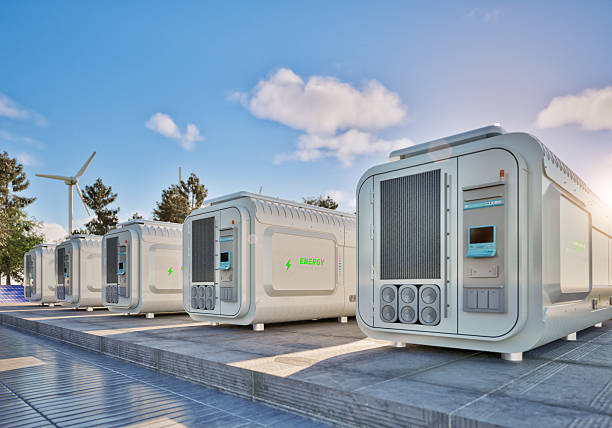
L&T plans to deploy liquid-cooled battery systems across the projects. Compared with conventional air-cooled systems, liquid cooling can support higher power density and more effective thermal management, making it increasingly relevant to utility-scale installations where performance, safety and asset life are key considerations.
For the EPC market, the award highlights the increasingly sophisticated requirements attached to grid-scale storage projects. Developers are moving beyond battery procurement towards integrated solutions combining storage technology, grid interconnection and complex electrical infrastructure.
The deal also strengthens L&T’s position in an international BESS market that is expanding rapidly alongside renewable generation. Its Middle Eastern experience could prove valuable as the company pursues further projects in markets seeking to integrate higher volumes of solar and wind power.
For India’s energy industry, the project provides a practical reference point as the country accelerates its own deployment of battery storage. As domestic utilities and developers scale up BESS procurement, expertise in high-density, liquid-cooled systems and large-scale grid integration is likely to become increasingly important.
The successful delivery of the three projects will therefore be closely watched—not only as a test of L&T’s international execution capabilities, but also as an indicator of how quickly advanced battery storage is becoming embedded in the region’s power infrastructure.