
Lagos To Host High-Level Talks on Africa’s Energy Transition and Security At The NAEE Summit
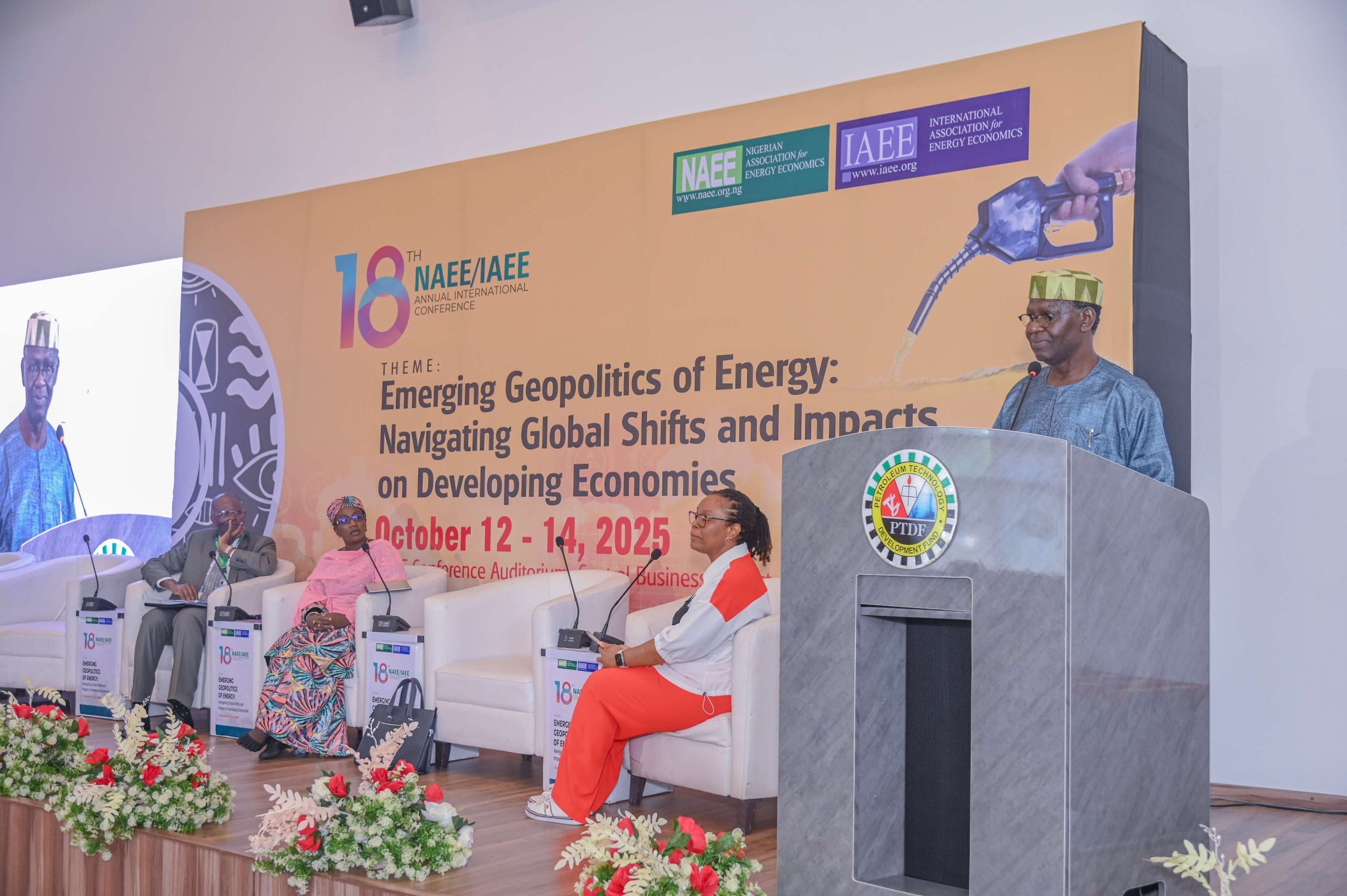
Energy policymakers, market operators and international experts are gathering in Lagos this week for the 19th annual conference of the Nigerian Association for Energy Economics (NAEE), a forum expected to sharpen focus on Africa’s energy security amid an increasingly complex global transition.
Running over four days, the summit centres on the theme “Evolution of Energy Mix in Africa: The Role of Technology, Economics and Public Policy”, positioning itself at the intersection of supply security, decarbonisation and economic development.
NAEE President Hassan Mahmud said the timing of the conference reflects mounting pressure on African energy systems, where demand growth continues to outpace infrastructure expansion, even as global climate commitments intensify. Despite accounting for less than four per cent of global emissions, African economies are being drawn into a transition agenda often constrained by limited access to capital and technology.
Industry discussions are expected to move beyond headline commitments, focusing instead on practical pathways to diversify the continent’s energy mix without undermining reliability or affordability. Delegates will examine the integration of renewables, the scaling of storage technologies and the application of digital systems to optimise grid performance and energy markets.
A central thread will be how policy and regulatory frameworks can unlock investment at scale. Sessions will address market reforms, pricing structures, and risk-mitigation tools required to attract private capital while supporting industrialisation and job creation.
The conference programme includes high-level plenaries, technical panels and investment showcases, alongside closed-door dialogues aimed at producing policy recommendations for governments and regional institutions.
NAEE officials point to the forum’s track record as a catalyst for reform in Nigeria’s energy sector. Past deliberations have informed policy direction on subsidy rationalisation, tariff structures and broader legislative frameworks, including the Petroleum Industry Act.
Participants will also undertake a technical visit to the Dangote refinery, widely regarded as the largest single-train facility globally, to assess its role in refining capacity expansion and regional fuel security.
Delegates will include regulators, utilities, upstream and downstream operators, financiers, academics and emerging professionals, underscoring the cross-sector collaboration needed to navigate Africa’s energy transition effectively.
Mahmud emphasised that the objective is to convert dialogue into implementable outcomes. “The challenge is not simply transition, but ensuring it is aligned with Africa’s development priorities,” he said.