
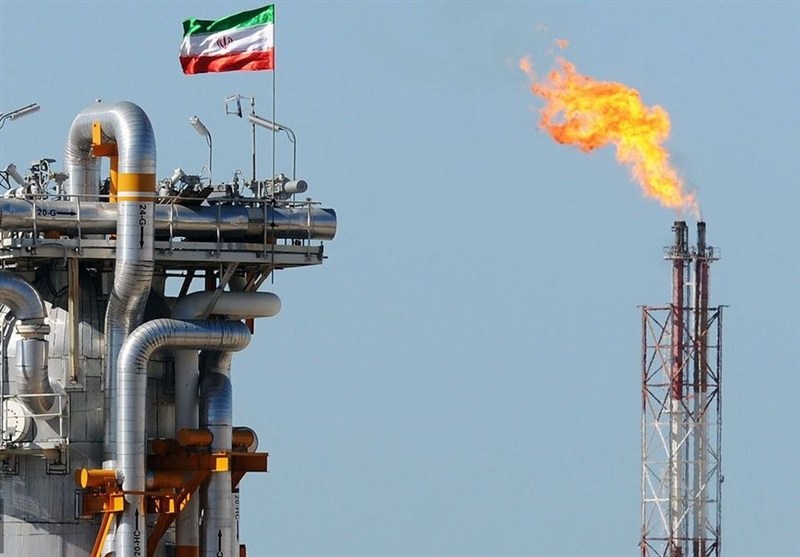
Iran Gas Discovery Adds New Supply Potential Amid Energy Sector Strain
Iran has reported a major natural gas discovery in southern Fars province, potentially strengthening its long-term supply position as the country confronts production losses, damaged infrastructure and mounting external pressure on its energy industry.
Oil Minister Mohsen Paknejad said the field contains more than 7.5 trillion cubic feet (212.4 billion cubic metres) of gas, with around 5.7 trillion cubic feet considered recoverable based on current estimates.
The discovery is significant for Iran, one of the world’s largest holders of natural gas resources. However, the find is unlikely to provide immediate relief to a sector facing substantial operational challenges. The resource must first be appraised, developed and connected to the country’s production and transmission network before it can contribute to supply.
Iran’s gas industry has been under renewed strain following damage to energy infrastructure during its recent conflict with Israel and the United States.
Before the war, Iran’s natural gas output was estimated at around 650 million cubic metres per day, equivalent to roughly 8.4 trillion cubic feet annually. A senior government official said in July that attacks had reduced production capacity by approximately 230 million cubic metres per day.
Tehran has said it expects to recover around 100 million cubic metres per day of lost capacity in the coming months, highlighting the scale of the restoration effort facing the sector. Against this backdrop, the newly identified resource could become strategically important to Iran’s longer-term gas strategy, particularly if development can be accelerated.
Paknejad described the gas as “sweet”, indicating relatively low concentrations of hydrogen sulphide and other contaminants typically associated with sour gas.
For developers, that can translate into simpler processing requirements and potentially lower costs compared with fields containing higher levels of impurities. The quality of the resource could therefore improve its commercial attractiveness if investment and infrastructure constraints can be overcome.
Iran, however, faces significant hurdles before the discovery can translate into additional production. The country must restore damaged infrastructure while navigating the prospect of further US sanctions, which could restrict access to capital, technology and international investment.
For Iran’s gas sector, the discovery offers substantial resource potential, but converting that potential into reliable supply will depend on development capacity, infrastructure recovery and the wider geopolitical environment.