Guinea-Bissau Accelerates Upstream Ambitions with New Energy Leadership
Guinea-Bissau has appointed Julio Mamadù Baldé as Minister of Natural Resources, signalling a renewed push to strengthen governance and accelerate upstream development in the MSGBC basin, while improving investor confidence and regulatory clarity across its emerging energy sector.
Baldé is a water resources engineer with extensive public administration experience, including roles as Head of Hydrology at the Ministry of Natural Resources and Secretary General of the Agence de Gestion et de Coopération (AGC). His background includes nearly two decades of managing cross-border offshore assets in Senegal.
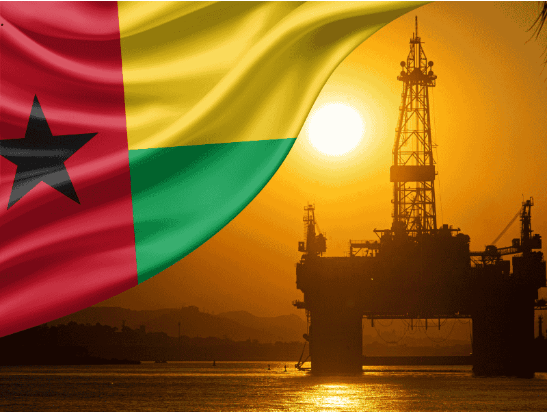
Upstream activity has accelerated in recent years, driven by renewed exploration and growing international interest. Chevron’s entry into Blocks 5B and 6B in late 2025 marked a major milestone, supported by ongoing seismic campaigns targeting deepwater prospects with significant potential. Independent operator Apus Energy is also advancing work across the Sinapa and Esperança licences following its acquisition from PetroNor. Earlier momentum came from the 2024 Atum-1X well, the first offshore exploration drilling in nearly two decades.
Industry observers say Baldé’s appointment arrives at a pivotal moment for the sector. Priorities include strengthening governance frameworks, improving regulatory predictability, and speeding up decision-making processes to attract upstream capital. The focus is on creating a stable, investment-friendly environment to support sustained exploration and development activity.
Beyond hydrocarbons, the government is pursuing wider energy reforms aimed at expanding electrification, improving infrastructure, and strengthening regional integration. Partnerships with ECOWAS energy bodies and the United Nations Industrial Development Organisation are expected to support hydropower development and electricity grid modernisation initiatives.
Guinea-Bissau aims to increase electrification from around 45% to 80% by 2030, backed by a sustainable energy investment plan of approximately $700 million. The programme is designed to expand access, strengthen energy security, and reduce reliance on imported power through diversified generation sources.
The government is also developing mining potential, including a bauxite corridor linked to the port of Buba, as part of efforts to diversify revenues and strengthen fiscal resilience. Overall, Guinea-Bissau is positioning itself as an emerging West African energy frontier.