Global Energy Shock Accelerates Nuclear Shift Across Asia and Africa
The disturbance in the global flow of energy created as a result of conflict within Iran is rapidly driving the development of nuclear power within the regions of Asia and Africa due to an increased focus on securing stable sources of energy in light of unstable fossil fuel energy.
With a strong dependence on the oil and liquefied natural gas produced by Middle Eastern suppliers, Asia has been most affected in relation to supply interruptions, followed by the African continent, as prices rise and availability decreases. Even Europe and America are facing consequences as a result of this crisis, with inflation increasing rapidly.
Countries with nuclear plants already in place are now focusing on maximising their output in order to meet energy demands. With an emphasis on extending plant lifespans and maximising the capacity factors of plants, operators are extracting more baseload energy from plants currently in operation.
At the same time, the crisis is reshaping long-term energy planning. Several non-nuclear countries are fast-tracking policy development, regulatory frameworks and feasibility studies aimed at diversifying generation portfolios. While nuclear power cannot provide immediate relief due to long development timelines, it is increasingly being positioned as a strategic hedge against fossil fuel price shocks and supply insecurity.
Energy analysts caution that nuclear expansion remains inherently slow. From planning and licensing through construction and commissioning, new build programmes often require 10 to 20 years, particularly in countries without established nuclear infrastructure or regulatory capacity. This limits its role in addressing immediate supply constraints, but strengthens its importance in long-term energy security strategies.
Despite these constraints, momentum is building. Analysts at the Council on Foreign Relations note that current geopolitical pressures are likely to entrench nuclear power more deeply in national energy mixes over the coming decades.
In Asia, South Korea is increasing its reliance on nuclear generation to support grid stability, while Taiwan continues to debate the potential restart of decommissioned reactors. Across Africa, Kenya, Rwanda and South Africa have reaffirmed interest in nuclear development as part of broader diversification efforts.
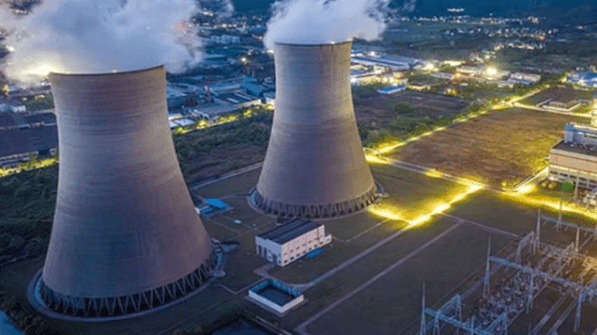
Nuclear power, based on uranium fission, offers low operational carbon emissions but remains constrained by waste management challenges, high capital costs and public acceptance concerns.
According to the International Atomic Energy Agency, 31 countries currently operate nuclear plants, supplying around 10% of global electricity, while roughly 40 more are considering or preparing nuclear programmes.