Ghana Advances Domestic Refining Strategy as Africa Expands Downstream Capacity
Ghana is taking a significant step towards strengthening its downstream energy sector by resuming the domestic refining of crude oil produced from its offshore fields. The move forms part of a broader strategy to retain more value from the country’s hydrocarbon resources and reduce dependence on imported petroleum products.
President John Dramani Mahama announced that a shipment of Ghanaian crude is expected to be delivered to a local refinery in June, marking the first such initiative in years. The programme revives efforts launched during his previous administration and reflects a renewed focus on building domestic energy value chains.
The development comes as African oil-producing nations increasingly invest in refining capacity to enhance energy security, create jobs and maximise revenues from natural resources. Across the continent, governments are seeking to move beyond the traditional model of exporting crude while importing refined fuels.
Nigeria has emerged as a leading example following the commissioning of the Dangote Refinery, which has significantly expanded local processing capacity and regional fuel supply. Angola is also investing heavily in downstream infrastructure through projects including the Luanda, Cabinda and Lobito refineries. Meanwhile, established refining industries in Egypt, Algeria and Libya continue to support domestic markets and exports.
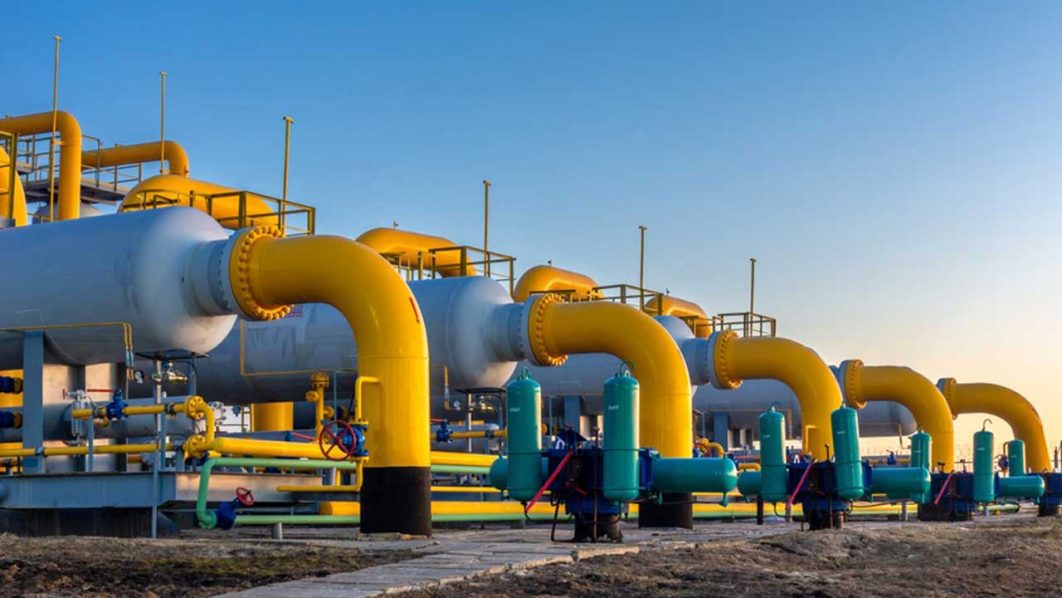
At the centre of Ghana’s plans is the Tema Oil Refinery, which resumed operations in late 2025. The facility currently processes approximately 28,000 barrels per day and aims to increase throughput to 45,000 barrels per day through infrastructure upgrades. Longer-term plans include expanding capacity to 60,000 barrels per day and developing an additional refinery capable of processing 100,000 barrels daily.
Ghana’s refining sector has also been strengthened by the privately owned Sentuo Oil Refinery, which has added domestic processing capacity and improved the country’s ability to meet local fuel demand.
Alongside downstream expansion, Ghana continues to pursue growth in oil and gas production. Mahama confirmed that around US$1.5 billion in investment has been secured from Eni for the Offshore Cape Three Points project, a major upstream development.
However, policymakers increasingly view production growth and domestic processing as complementary objectives. By refining more crude at home, Ghana aims to retain foreign exchange, strengthen supply chains, support industrialisation and reduce exposure to international fuel market volatility.
The strategy reflects a wider shift across Africa towards greater value addition and resource-based industrial development. For Ghana, the focus is no longer solely on producing oil, but on ensuring that energy resources generate broader economic benefits and long-term industrial growth.