First WATT and MTN Nigeria Partner on Large-Scale Renewable Energy Rollout
MTN Nigeria has entered into a strategic partnership with renewable energy developer First WATT Renewable to deploy solar and battery storage infrastructure across key telecommunications facilities, marking a significant step in the operator’s efforts to strengthen energy security and reduce reliance on diesel-powered generation.
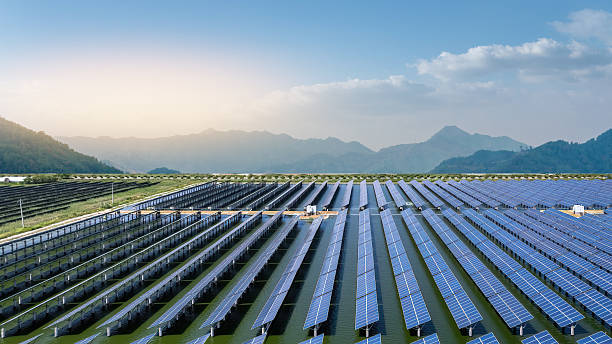
The programme will see the installation of approximately 34 MWp of solar photovoltaic capacity alongside 40 MWh of battery energy storage systems at critical MTN sites nationwide. The deployment will be delivered under an energy-as-a-service model, enabling the telecoms operator to access renewable energy infrastructure without significant upfront capital expenditure.
The renewable energy systems will support a range of operationally critical assets, including data centres, switching facilities, cable landing stations, customer service centres and other network infrastructure essential to maintaining service continuity.
In parallel, the agreement includes deploying renewable energy solutions to power electric vehicle charging infrastructure at eight MTN locations across Nigeria. The sites will each be equipped with 60 kW EV charging stations, contributing to the broader development of the country’s emerging electric mobility ecosystem.
The initiative reflects a growing trend among telecommunications operators across Africa to diversify energy sources, improve operational resilience and mitigate exposure to volatile diesel fuel costs. By integrating solar generation and battery storage into its energy mix, MTN aims to enhance network reliability while advancing its decarbonisation objectives.
According to project estimates, the combined programme could avoid approximately 25,000 tonnes of carbon dioxide equivalent emissions over five years, subject to final operational performance and emissions accounting.
Tobechukwu Okigbo, Chief Corporate Services and Sustainability Officer at MTN Nigeria, said the partnership supports the company’s strategy to improve energy efficiency and strengthen the resilience of the infrastructure underpinning its connectivity services.
He noted that the initiative aligns with MTN’s Project Zero programme under its Doing for Planet sustainability framework, which focuses on reducing greenhouse gas emissions, improving energy performance and increasing the adoption of renewable energy across the company’s operations.
For Nigeria’s telecommunications sector, the project highlights the increasing role of distributed renewable energy and battery storage in supporting mission-critical infrastructure, while demonstrating how clean energy investments can simultaneously enhance operational performance and sustainability outcomes.