EU Looks to North Africa to Support Energy Transition
The European Union is strengthening its push for clean energy imports by investing in renewable energy projects across North Africa and the Middle East, aiming to enhance energy security while supporting its long-term decarbonisation goals.
This week, the European Commission announced a $5.8 billion funding package for renewable energy infrastructure in the region. Brussels expects the initiative, known as T-MED, to attract additional private and institutional investment, mobilising up to $29 billion by 2035 for solar, wind, hydrogen and electricity transmission projects.
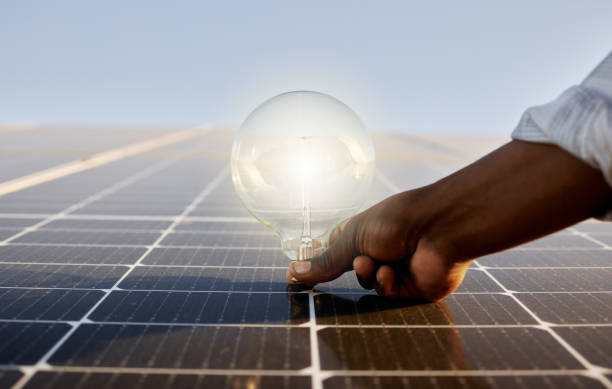
The strategy centres on harnessing North Africa’s abundant solar and wind resources and connecting them to European markets through expanded cross-border electricity infrastructure. High-voltage transmission links across the Mediterranean could enable clean power generated in the Sahara and surrounding regions to flow directly into Europe’s electricity grid.
According to the European Commission, North Africa and the Middle East hold an estimated 2,300 GW of renewable energy potential—more than double the EU’s current installed generation capacity. Officials also estimate that renewable power can be produced in the region at costs 30 to 40 per cent lower than in many parts of Europe.
Launching the initiative, EU Energy Commissioner Dan Jørgensen argued that reducing dependence on imported fossil fuels is essential to Europe’s future energy security. The announcement comes as geopolitical tensions and instability in global energy markets continue to expose vulnerabilities in traditional fuel supply chains.
By 2035, the Commission expects the programme to facilitate at least 15 GW of new renewable energy capacity, create more than 100,000 jobs and strengthen electricity interconnections between Europe and neighbouring regions.
However, European officials acknowledge that much greater investment will be required to fully unlock the region’s renewable energy potential. Estimates suggest more than $115 billion may be needed by the end of the decade to develop the necessary generation and transmission infrastructure.
To help bridge the financing gap, the EU plans to launch a dedicated T-MED investment platform in September. The platform will bring together governments, development finance institutions, project developers and private investors to accelerate project delivery. Brussels is also encouraging partner countries to simplify permitting procedures, improve grid access and strengthen regulatory frameworks.
The initiative revives ambitions similar to those pursued under the Desertec project, which sought to export North African solar power to Europe but failed to overcome political and financial challenges. This time, EU policymakers believe stronger climate commitments, improved technology and growing demand for clean electricity could create a more favourable environment for success.