Envusa Accelerates Renewable Delivery with Umsobomvu Wind Commissioning
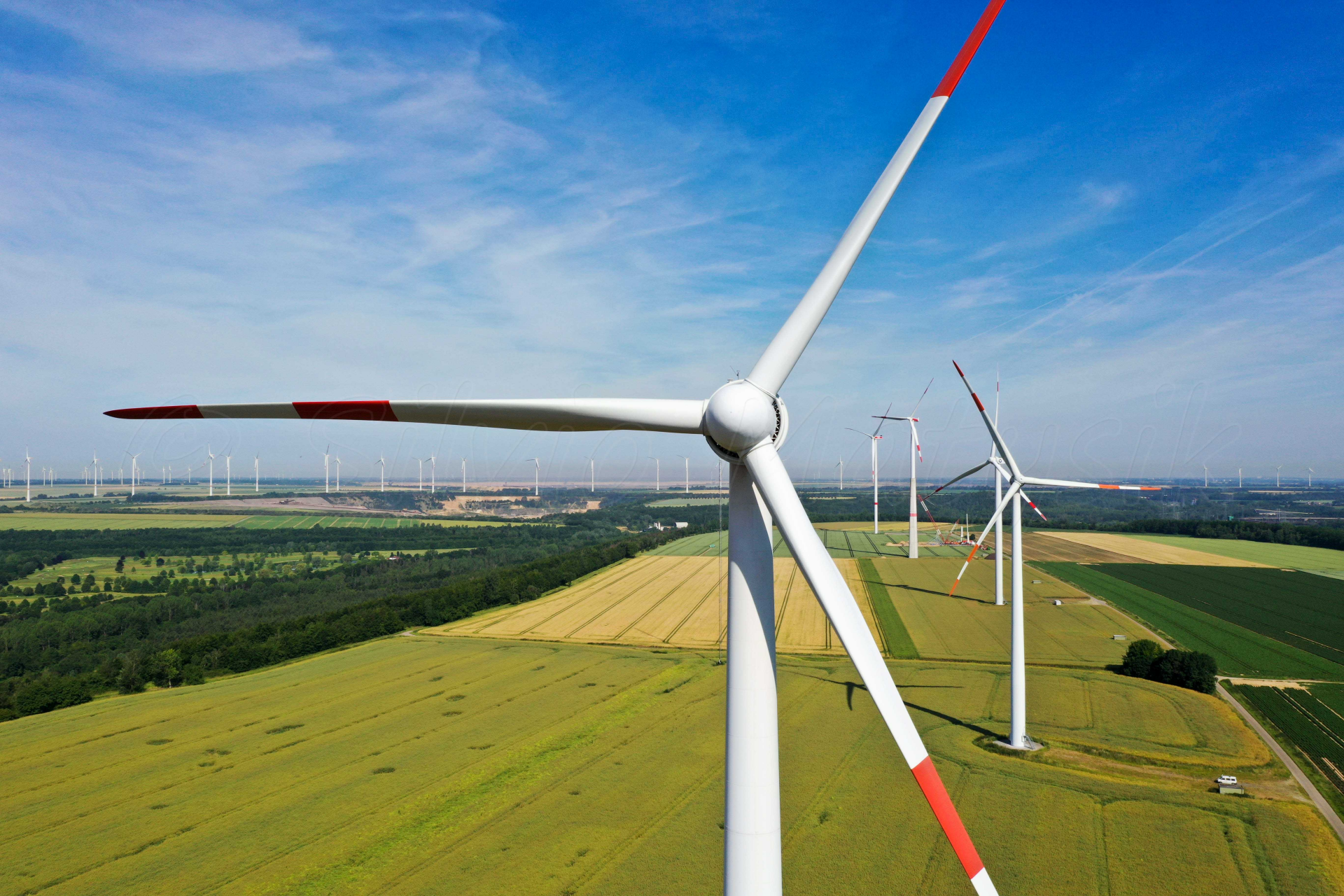
Envusa Energy has reached a critical delivery milestone with the successful commissioning of the 140MW Umsobomvu Wind Farm, marking its latest asset to achieve Commercial Operation Date (COD). This follows closely on the heels of the 240MW Mooi Plaats Solar PV facility, underscoring a disciplined execution model across its project portfolio. Together, these projects form part of the Koruson 2 cluster, where 380MW of the total 520MW capacity is now operational. The final asset, Hartebeesthoek Wind, is expected to be online by mid-2026, completing a strategically significant renewable platform in South Africa.
Envusa Energy—a joint venture between Anglo American and EDF Power Solutions—has positioned itself as a key enabler of decarbonisation within energy-intensive industries. The Koruson 2 cluster is located across high-yield renewable corridors in the Northern and Eastern Cape, integrating wind and solar generation at utility scale. A central feature of the development is its connection to the Koruson 400kV Main Transmission Substation, the largest privately developed substation in the country. With a capacity to accommodate up to 1.5GW, the infrastructure significantly enhances grid integration and facilitates energy wheeling arrangements.
The operational portfolio is expected to displace substantial volumes of coal-fired generation, mitigating approximately 2.2 million tonnes of CO₂ annually. This supports the decarbonisation strategies of major industrial off-takers, including Kumba Iron Ore and De Beers.
Envusa’s commercial model, developed in collaboration with Eskom, centres on energy aggregation and wheeling, enabling supply to multiple mining operations. This approach reflects a broader shift in South Africa’s energy market towards private-sector-led, distributed generation solutions. Beyond energy delivery, the projects incorporate strong socio-economic components. Pele Green Energy retains a 20% equity stake, while community ownership structures ensure long-term participation in project revenues. Construction activities have already delivered significant employment and local procurement benefits across host regions.
Looking ahead, Envusa Energy is advancing a development pipeline targeting 3–5GW of combined wind, solar, and battery storage capacity by 2030. While its initial focus has been on the mining sector, the company is actively expanding into other hard-to-abate industries requiring reliable, cost-competitive clean power.
The commissioning of Umsobomvu is therefore less an endpoint than a signal of execution capability—one that positions Envusa as a credible long-term partner in the region’s industrial energy transition.