
Egypt Deepens Engagement with Chinese Energy Firms to Accelerate Renewable Integration
Egypt is advancing discussions with leading Chinese energy institutions as it seeks to strengthen its renewable energy infrastructure, modernise its electricity network and expand energy storage capacity in support of ambitious clean energy targets.
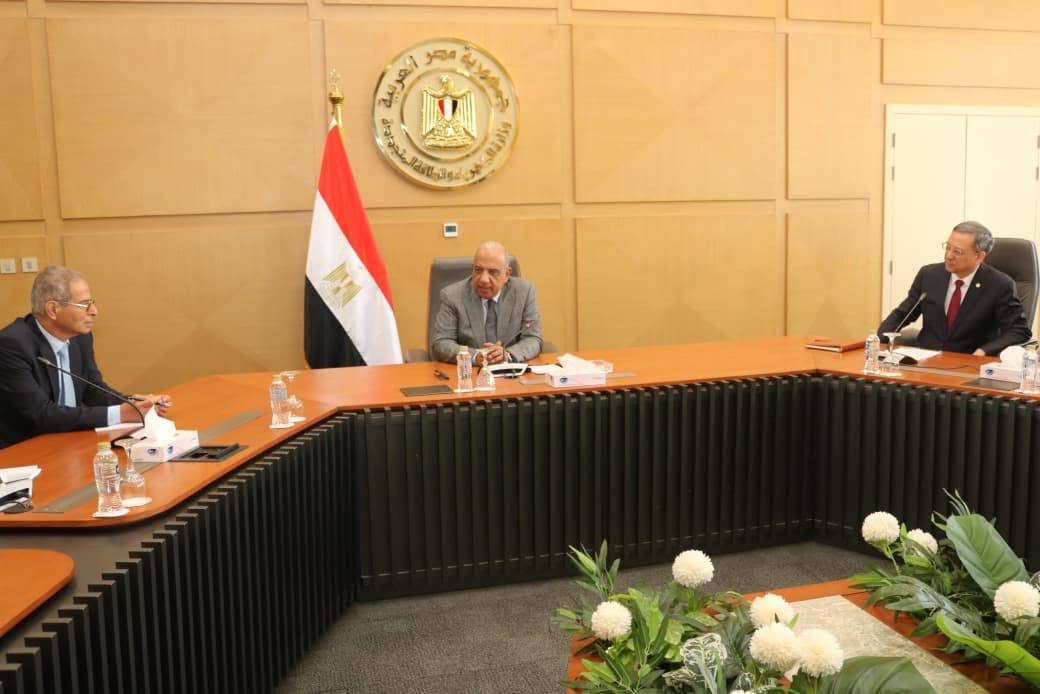
During a high-level meeting in the New Administrative Capital, Minister of Electricity and Renewable Energy Mahmoud Esmat met with executives from China Energy and the Electric Power Planning and Engineering Institute (EPPEI) to explore new avenues for technical and strategic cooperation across the power sector.
The discussions brought together China Energy Chairperson Ni Zhen, EPPEI President Hu Ming and senior representatives from Egypt’s electricity industry. Talks centred on enhancing grid resilience, integrating larger volumes of renewable generation, deploying energy storage technologies and strengthening long-term power system planning.
The engagement reflects Egypt’s broader strategy to transform its energy mix and position renewable power as a central pillar of future electricity supply. Government targets aim to increase the share of renewable energy in national electricity generation to 45% by 2028, requiring significant investments in grid infrastructure and system flexibility.
According to Esmat, achieving these objectives will depend on advanced technologies capable of supporting intermittent renewable resources while maintaining network reliability. Key areas identified for cooperation include transmission network expansion, electricity market development, renewable energy integration, energy storage deployment and power system planning.
The talks also highlighted opportunities to localise renewable energy manufacturing and strengthen domestic supply chains. Both sides examined potential frameworks for technology transfer, workforce development and capacity-building programmes designed to support Egypt’s growing clean energy sector.
EPPEI’s experience in energy planning featured prominently in the discussions. The institute has been instrumental in shaping China’s electricity sector reforms, developing national power strategies and delivering large-scale transmission projects that connect renewable energy resources with demand centres.
Egypt’s renewable energy pipeline continues to expand, supported by increasing participation from Chinese developers and technology providers in the country’s solar and wind sectors. The government expects clean energy to account for approximately 45% of the national energy mix within the next two years as new projects come online.
Alongside renewable generation growth, Egypt is placing greater emphasis on energy storage as a critical enabler of grid stability. Planned storage projects are expected to provide a combined capacity of 14,320 MWh by 2028, supporting the reliable integration of renewable power and strengthening overall system resilience.
The latest discussions underline Egypt’s determination to leverage international partnerships to accelerate its energy transition while ensuring security of supply and long-term sustainability across the power sector.