
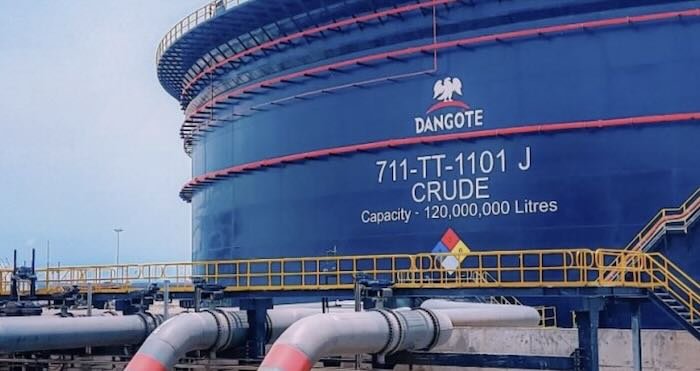
Dangote Selects Lamu for Planned East African Refinery Project
Dangote Industries has confirmed that its proposed East African refinery will be developed in Lamu, Kenya, ending months of speculation over the location of one of the continent’s most ambitious downstream energy investments.
Edwin Devakumar, Vice President for Oil and Gas at Dangote Industries, confirmed that the planned facility will have a refining capacity of 700,000 barrels per day (bpd), positioning it among Africa’s largest refining assets. Construction is expected to take approximately 30 months once the project reaches implementation.
The announcement follows months of uncertainty, with Kenya’s port city of Mombasa and locations in Tanzania also reportedly under consideration. During a recent visit to Tanzania, Dangote Group President Aliko Dangote met President Samia Suluhu Hassan to outline the commercial and technical rationale for selecting Lamu and invited Tanzania to participate in the investment.
The development builds on Dangote’s growing downstream portfolio following the commissioning of its 650,000 bpd refinery in Nigeria in 2024. The Nigerian facility is expected to expand significantly over the coming years, reinforcing the company’s ambition to become a leading refining player across Africa.
While the Lamu project addresses a longstanding gap in East Africa’s refining capacity, major questions remain over crude supply, supporting infrastructure and project financing.
Kenyan President William Ruto has previously indicated that the refinery could process crude from Kenya, Uganda, South Sudan and the Democratic Republic of Congo. However, each potential supply source presents logistical and commercial challenges.
Kenya has yet to commence commercial oil production, while the Democratic Republic of Congo currently produces relatively modest volumes concentrated on its Atlantic coast, far from Lamu. South Sudan remains the region’s largest crude producer, but exports continue to rely primarily on infrastructure through Sudan, with the proposed pipeline to Kenya having experienced years of delays.
Uganda’s upstream sector is progressing towards first oil, with crude expected to flow through the East African Crude Oil Pipeline to Tanzania. However, the pipeline’s capacity would only accommodate part of the proposed refinery’s feedstock requirements.
Industry analysts note that although East Africa has long required additional refining capacity, securing sufficient crude volumes and developing the associated transport infrastructure will require extensive regional cooperation and significant capital investment.
Analysts also point to the commercial dynamics surrounding regional crude supply. Uganda’s major upstream developments are led by TotalEnergies and its partners, raising questions over future feedstock agreements for an independently operated refinery in Kenya.
Despite these uncertainties, Dangote’s decision signals confidence in the long-term fundamentals of East Africa’s energy market. If realised, the Lamu refinery could strengthen regional fuel security, reduce reliance on imported refined products and reshape petroleum trade flows across Eastern and Central Africa.
The project’s success, however, will depend on aligning upstream production, cross-border infrastructure, financing and regional policy support, factors that will ultimately determine whether the refinery can achieve its planned scale and commercial viability.