Cyprus–Egypt MOU Sets Framework As Commercial Deadlocks Remain
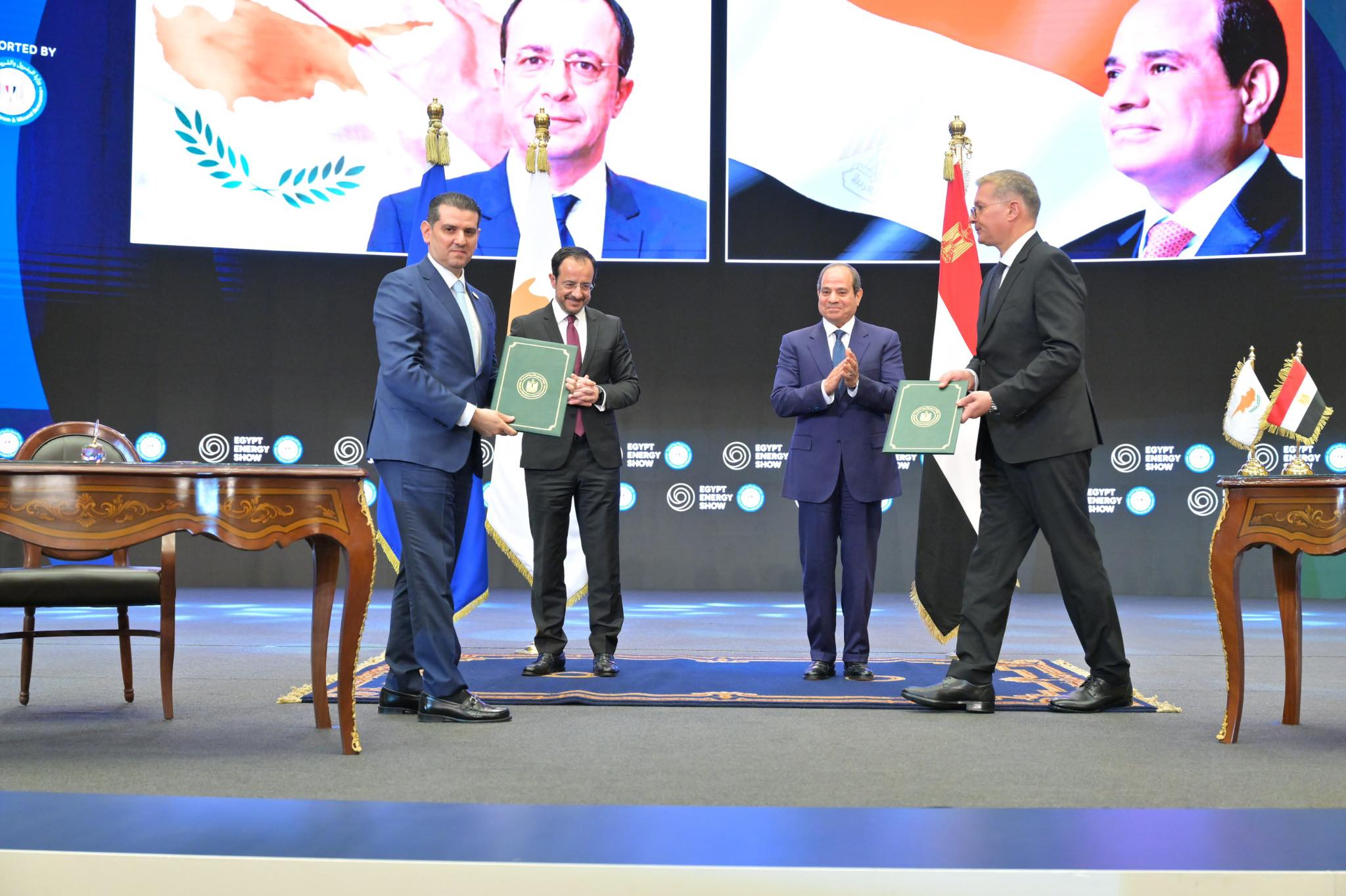
Cyprus’ Exclusive Economic Zone (EEZ) returned to focus at this week’s EGYPES conference in Cairo, where energy ministers from Cyprus and Egypt signed a framework agreement on future gas exports. While politically symbolic, the deal primarily reaffirms the intent to route Cypriot offshore gas through Egyptian infrastructure to global LNG markets.
However, the agreement does not resolve the core commercial and contractual issues delaying final investment decisions (FIDs) for the Kronos and Aphrodite gas fields. The framework sets out broad cooperation principles but remains non-binding. It does not alter existing development agreements or materially advance FID readiness for either project.
Despite expectations of progress at EGYPES, investment decisions remain constrained by unresolved disputes over risk allocation, pricing, and project economics. The Kronos field, with estimated recoverable resources of around 2.5 tcf, is planned for development via pipeline to Egypt’s Zohr facilities and onward liquefaction at Damietta LNG.
While technically efficient, the structure introduces multiple cost layers – transit, processing, and liquefaction fees – that significantly reduce netback value. Under the production sharing framework, early revenues primarily support cost recovery for Eni and TotalEnergies, delaying Cyprus’ meaningful upside until later in the project life. This heightens exposure to long-term price volatility.
Cyprus has sought contractual protections against cost overruns and delivery risks, but operators and Egypt are reluctant to assume additional liabilities. This impasse has delayed expected FID timelines.
Compounding the issue are weaker long-term LNG price forecasts, with expectations of a softening to $8–8.50/mmbtu post-2028 due to new global supply. At these levels, Kronos economics become marginal once full chain costs are included. As a result, 2028 now appears to be a more realistic start-up timeline than earlier projections.
The Aphrodite project, led by Chevron with Shell and NewMed Energy, is undergoing FEED work to refine costs, currently estimated at around $4 billion, and prepare for a potential FID around 2027. However, recent updates suggest recoverable volumes may be limited to approximately 2.88 tcf, raising questions over project viability at current cost assumptions.
This may push the consortium to seek higher gas pricing, improved fiscal terms, or expanded resource access before proceeding. An unresolved dispute involving the Ishai Group adds further uncertainty.
Both projects remain technically viable but commercially constrained. Neither is likely to be abandoned given sunk investments and strategic importance, yet both face extended timelines and difficult negotiations ahead. Cyprus continues to pursue offshore gas monetisation as a route to energy and geopolitical leverage, but success will depend less on framework agreements and more on resolving fundamental issues around pricing, risk, and fiscal balance.