BasiGo and Rubis Accelerate Kenya’s EV Charging Rollout
Kenya’s electric mobility sector has received a significant boost following a strategic partnership between electric bus manufacturer BasiGo and fuel retailer Rubis Energy Kenya to expand high-speed electric vehicle (EV) charging infrastructure along the country’s major transport corridors.
The first jointly developed fast-charging station has entered commercial operation at the Rubis service station in Sabaki, Athi River. Three additional charging facilities in Meru, Nanyuki and Nyeri are expected to become operational later this month, extending charging access beyond Nairobi and strengthening the country’s intercity EV network.
The initiative reflects growing investment in the infrastructure required to support Kenya’s rapidly evolving e-mobility market. Designed as public charging facilities, the stations will accommodate electric buses, commercial vans, trucks, passenger vehicles and other compatible EVs, providing operators with greater confidence to deploy electric fleets on regional routes.
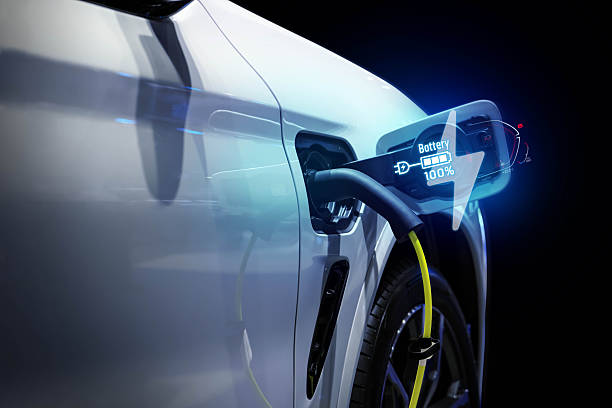
Each site is equipped with 100 kW DC fast chargers supporting both CCS2 and GB/T standards, enabling broad vehicle compatibility. A typical passenger EV can be fully charged in under an hour, while all locations will offer electricity at an indicative tariff of KES 48 per kWh, providing a standardised charging experience across the network.
BasiGo Chief Executive Officer and Co-Founder Jit Bhattacharya said expanding charging infrastructure is fundamental to scaling electric mobility beyond urban centres. He noted that the partnership lays the foundation for reliable long-distance EV operations and connects more communities to clean transport solutions, adding that the model could be replicated in other African markets as the company expands.
BasiGo Kenya Managing Director Moses Nderitu said the industry’s focus has shifted from demand for electric vehicles to ensuring sufficient infrastructure exists to support large-scale deployment. According to Nderitu, strategically located charging stations improve the commercial viability of electric transport by making intercity operations more practical and dependable.
For Rubis Energy Kenya, the collaboration represents a broader transformation of its retail network as conventional fuel providers diversify into cleaner energy solutions. Managing Director Frederic Maupetit said integrating fast-charging services across the company’s service station network demonstrates Rubis’ commitment to supporting Kenya’s energy transition while making electric mobility more accessible to motorists and fleet operators.
Rubis Energy East and Southern Africa Chief Executive Officer Olivier Sabrie described Kenya as an important test market for the company’s wider regional ambitions. He said the partnership illustrates Rubis’ evolution from a traditional fuel retailer into a broader energy solutions provider, with similar investments expected to be replicated across East and Southern Africa.
Rubis operates more than 300 service stations across Kenya, while BasiGo has established East Africa’s largest network of DC fast chargers dedicated to electric vehicles. Together, the companies aim to accelerate deployment of charging infrastructure along strategic transport routes, supporting the wider adoption of electric mobility and strengthening the region’s low-carbon transport ecosystem.