
Abu Dhabi Set For 30GW Solar Milestone As EWEC Accelerates Energy Transition
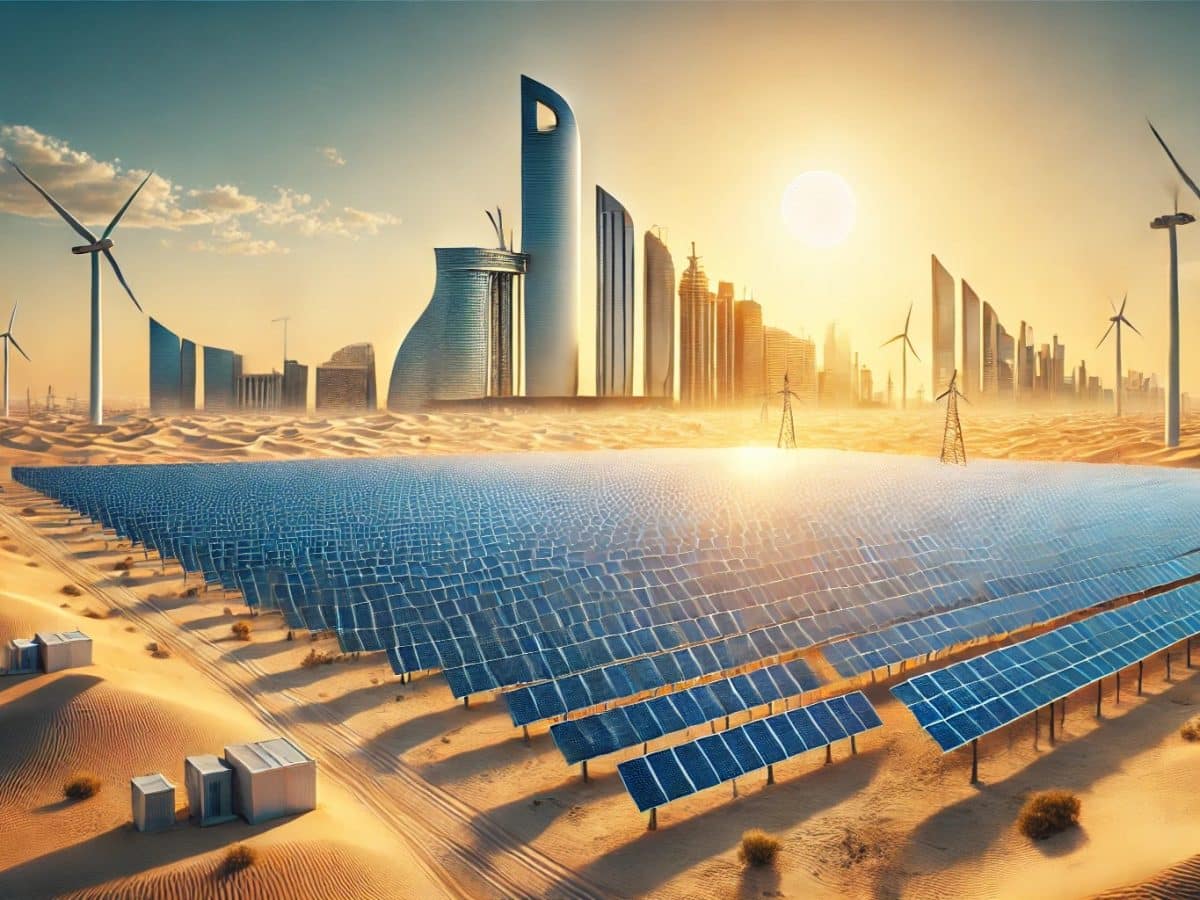
Abu Dhabi is on course to more than double its solar generation capacity within the next decade, with Emirates Water and Electricity Company (EWEC) targeting over 30 gigawatts (GW) of installed solar by 2035 as part of a rapid system-wide decarbonisation drive.
The utility-scale expansion marks one of the most aggressive solar build-outs globally, with capacity expected to rise from 2020 levels by nearly 2,000 per cent by 2030, reaching around 17.5GW before continuing its upward trajectory. By 2035, solar is projected to supply roughly 40 per cent of Abu Dhabi’s total electricity generation, underscoring a structural shift in the emirate’s power mix.
EWEC, which oversees integrated planning, procurement and dispatch of electricity and water across the UAE, outlined the roadmap as part of its recognition of the International Day of Light 2026, an initiative led by UNESCO highlighting the role of light-based technologies in sustainable development.
The utility said its strategy is anchored in large-scale solar deployment and energy storage integration, designed to align resource abundance with long-term system resilience. The approach is central to Abu Dhabi’s ambition to build a lower-carbon, more flexible power system capable of meeting rising demand while reducing emissions intensity.
A cornerstone of this expansion is a portfolio of some of the world’s largest single-site photovoltaic plants, including Noor Abu Dhabi, Al Dhafra, Al Ajban, Khazna and Zarraf solar projects. These developments are being complemented by a flagship “round-the-clock” renewable energy scheme in partnership with Masdar, combining 5.2GW of solar PV with a 19GWh battery energy storage system to enable dispatchable clean power.
EWEC has also emphasised the importance of storage at grid scale, with plans to deploy more than 8GW of long-duration battery energy storage systems by 2035 to stabilise supply as renewable penetration increases.
According to the utility, the integration of solar PV, storage technologies and low-carbon desalination via reverse osmosis is already reshaping emissions trajectories across the energy-water nexus. The carbon intensity of electricity generation is expected to fall by 51 per cent between 2019 and 2030, declining from 335kg/MWh to 162kg/MWh.
Water production is set to see an even sharper improvement, with emissions intensity projected to drop by 94 per cent over the same period, as reverse osmosis accounts for 92 per cent of total output by 2030.
Looking further ahead, EWEC forecasts that total carbon emissions across its operations will fall by nearly 46 per cent by 2035 compared with 2019 levels, reflecting the cumulative impact of renewable deployment, storage integration and system optimisation.
The scale of investment positions Abu Dhabi as a key global reference point in utility-led energy transition strategies, particularly in arid regions where water and power systems are increasingly being decarbonised in tandem.