TeraMed Unveils $20bn Mediterranean Energy Finance Hub
The initiative aims to unlock renewable energy investment, strengthen regional power networks and accelerate project development across the Arab and Mediterranean region by 2028.
A new regional financing platform targeting $20 billion in investment commitments by 2028 has been launched at COP31, as Mediterranean countries seek to accelerate renewable energy deployment and address persistent barriers to project financing.
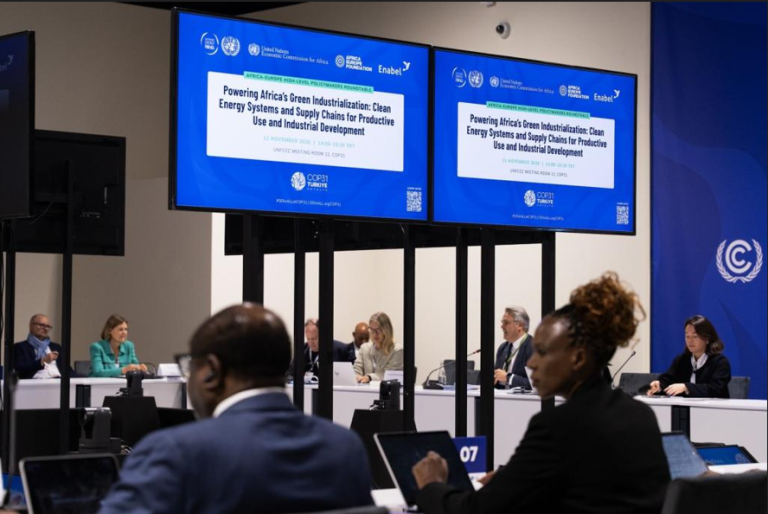
The Mediterranean Renewable Energy Finance Hub, established under the TeraMed Initiative, is designed to bridge the gap between renewable energy ambitions and the capital required to deliver projects. Its launch brought together representatives from Morocco, the United Nations, the European Commission, the League of Arab States, the Green Climate Fund and regional energy and financial institutions.
The platform will focus on improving coordination between governments, investors and project developers, while strengthening project preparation and connecting bankable developments with potential financiers.
Its intervention comes amid persistent financing challenges across the region, including high capital costs, currency exposure, fragmented regulatory frameworks and limited capacity to develop projects to investment-ready status.
Morocco’s Energy, Mines and Sustainable Development Minister, Charafat Afailal, said the region’s substantial solar and wind resources presented significant investment opportunities, but unlocking them would require stronger public-private partnerships and coordinated financing mechanisms.
The initiative forms part of a wider ambition to catalyse 1 TW of renewable energy capacity across the Mediterranean by 2030.
Regional electricity infrastructure will also be central to achieving this target. Rania Al-Mashat, UN Under-Secretary-General and Executive Secretary of the Economic and Social Commission for Western Asia (ESCWA), emphasised the importance of expanding grid infrastructure, strengthening regional electricity markets and establishing supportive policy frameworks. She also pointed to opportunities for alignment with the Pan-Arab Electricity Market.
At the European level, Commissioner for the Mediterranean Dubravka Šuica welcomed the hub’s investment target, highlighting its potential alignment with the EU’s Trans-Mediterranean Renewable Energy and Clean Tech Cooperation Initiative (T-MED), which aims to mobilise €25 billion by 2035.
Beyond mobilising capital, TeraMed intends to provide technical assistance, support policy coordination, develop regional project pipelines and facilitate partnerships between developers and financing institutions.
The hub is intended to complement existing financing mechanisms rather than replace them, with particular emphasis on helping smaller developers overcome barriers to accessing capital.
The scale of the 2030 ambition will require investment that extends beyond renewable generation to include transmission networks, cross-border electricity interconnections, and industrial decarbonisation.
For the region’s energy sector, the critical test will be whether the new platform can translate its investment target into bankable projects, financing agreements and infrastructure capable of supporting a more integrated Mediterranean energy market.