
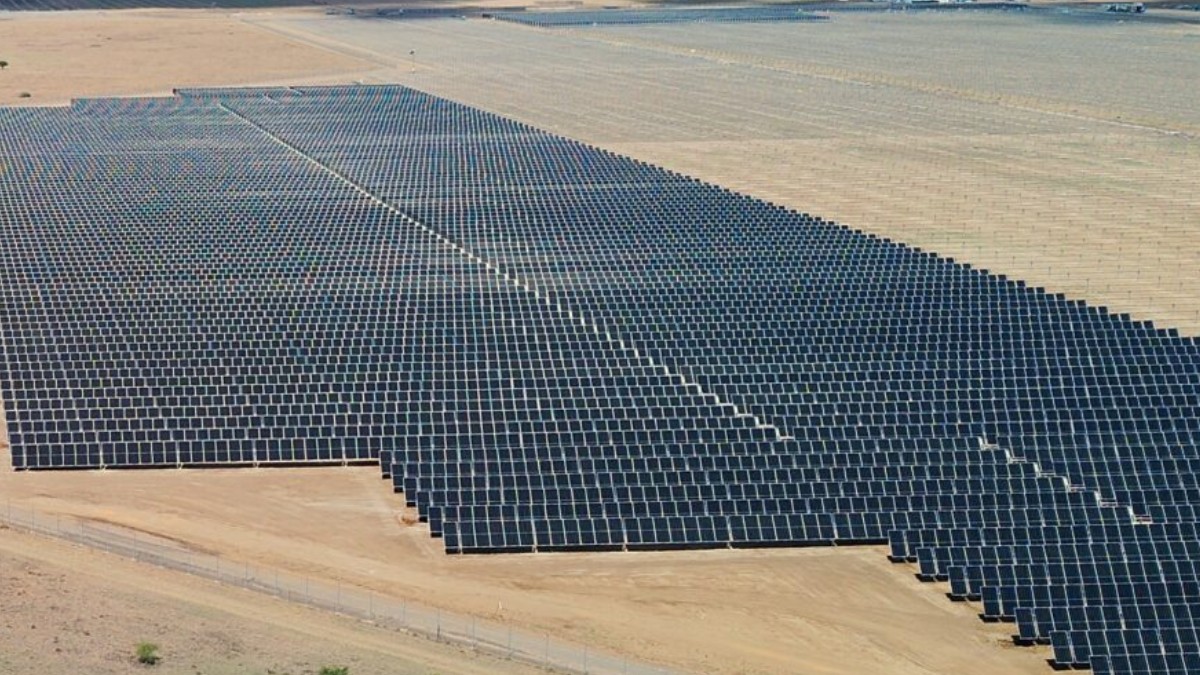
ZESCO Signs 25-Year Solar PPA For 500 MW Solar Project In Zambia
Zambia’s power sector is set for a major addition to its generation pipeline after state utility ZESCO Limited signed a 25-year Power Purchase Agreement (PPA) with Hungarian climate infrastructure firm EnerSynk Group for a proposed 500 MW solar project.
The agreement comes as Zambia confronts the growing vulnerability of its power system to hydrological conditions. Drought has constrained hydropower output, exposing the risks of a generation mix heavily dependent on water availability and increasing the urgency of diversification.
At 500 MW, the proposed solar facility would provide a significant new source of generation while supporting efforts to expand Zambia’s installed capacity. The project represents about 5% of the country’s target of reaching approximately 10 GW of generation capacity.
For the mining sector in particular, additional reliable electricity will be critical. Zambia is targeting copper production of three million tonnes annually, while agriculture, manufacturing and tourism are also expected to drive higher electricity demand.
ZESCO Acting Managing Director Fitzpatrick Kapepe said diversifying generation sources would help reduce the economic exposure created by climate-related disruptions. The project also supports President Hakainde Hichilema’s Grow Zambia Agenda, which places increased electricity supply at the centre of economic expansion.
The commercial scale of the project is equally significant. EnerSynk estimates that the facility could generate between US$2.8 billion and US$3.7 billion in gross revenue over its planned 25-year operating life, subject to final tariff arrangements.
The project could also deliver substantial emissions reductions, with estimates indicating annual avoidance of approximately 835,000 tonnes of CO₂ and more than 21 million tonnes over its operating period.
The PPA now moves the development into a critical execution phase. ZESCO and EnerSynk are expected to undertake bankable feasibility studies, grid impact assessments and environmental evaluations before progressing towards project financing and construction.
For Zambia, the key test will be converting the agreement into bankable infrastructure capable of delivering dependable power at scale. With electricity demand rising and climate pressures intensifying, the project highlights the growing role of solar in strengthening the country’s generation portfolio alongside hydropower.