

ResQ Spotlight: Zimbabwean Innovators Turn Waste into Energy with Smart Biogas
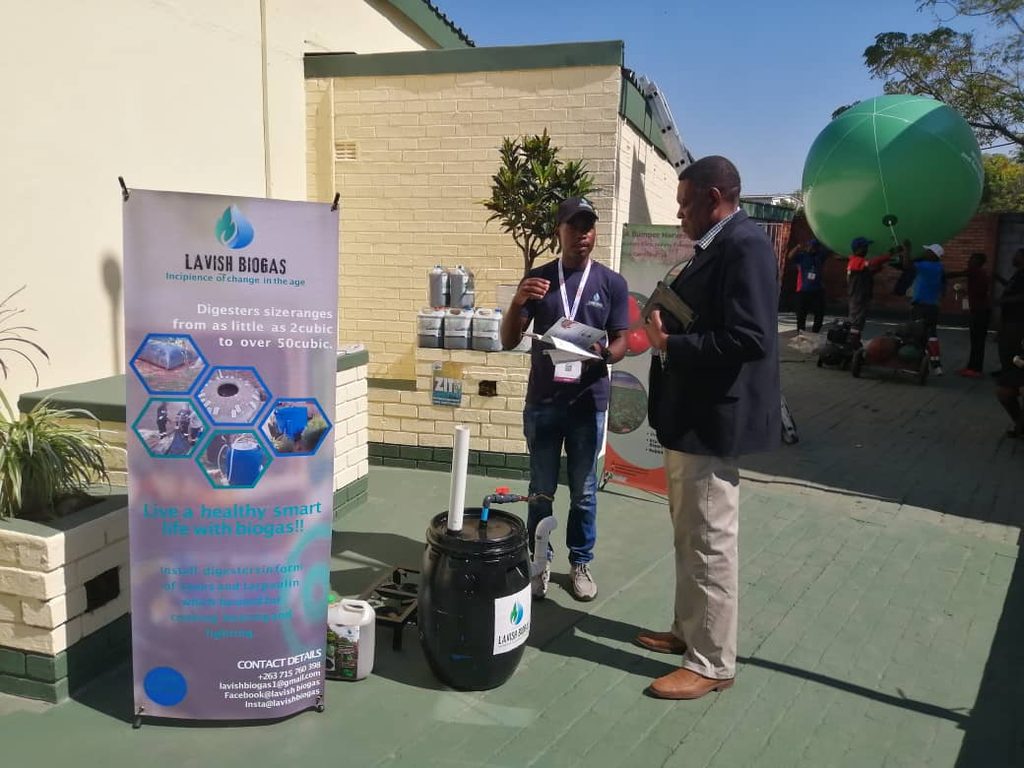
A power cut, a waste problem and a question about Africa’s energy future set three young Zimbabweans on the path to building an AI-powered biogas system.
Lavish Biogas develops smart biodigesters that convert organic waste, including food scraps, animal manure and agricultural residues, into biogas for cooking, lighting and heating. The process also produces nutrient-rich bio-slurry that can be used as agricultural fertiliser.
The proposition tackles two challenges often addressed separately: energy access and waste management.
After spending months without reliable electricity in his community, co-founder Nigel Hove began asking whether Africa’s growing waste problem could also help solve its energy challenge. That question led to Lavish Bio Gas, an AI-powered waste-to-energy venture founded by Hove, Sam Tseriwa and Christopher Squire, who have known each other since high school.
Across Africa, hundreds of millions of people still lack reliable electricity, while large volumes of organic waste remain poorly managed. Lavish Bio Gas is seeking to connect the two through decentralised energy systems.
Putting AI into the biodigester
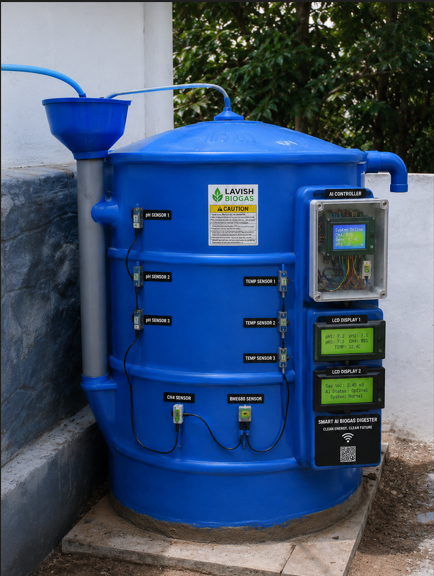
Biodigesters are established technology, but the team believes artificial intelligence and real-time monitoring can address one of their biggest weaknesses: inconsistent operation.
In a conventional system, poor feeding practices or changing operating conditions can reduce gas production, often leaving users unsure what has gone wrong.
Lavish Bio Gas introduces an AI-enabled monitoring layer to track conditions in the digester and optimise performance. As bacteria break down organic material, the system monitors the process and supports decisions around operation and output.
The technology has progressed beyond the prototype stage. A pilot system has been installed at Rainbow Towers Hotel, where it is currently being tested.
The founders envisage eventually connecting multiple biodigesters into a wider digital ecosystem, generating data on waste availability, energy production, consumption and system performance. That data could support predictive maintenance, optimisation and smarter energy planning.
From innovation challenge to commercialisation
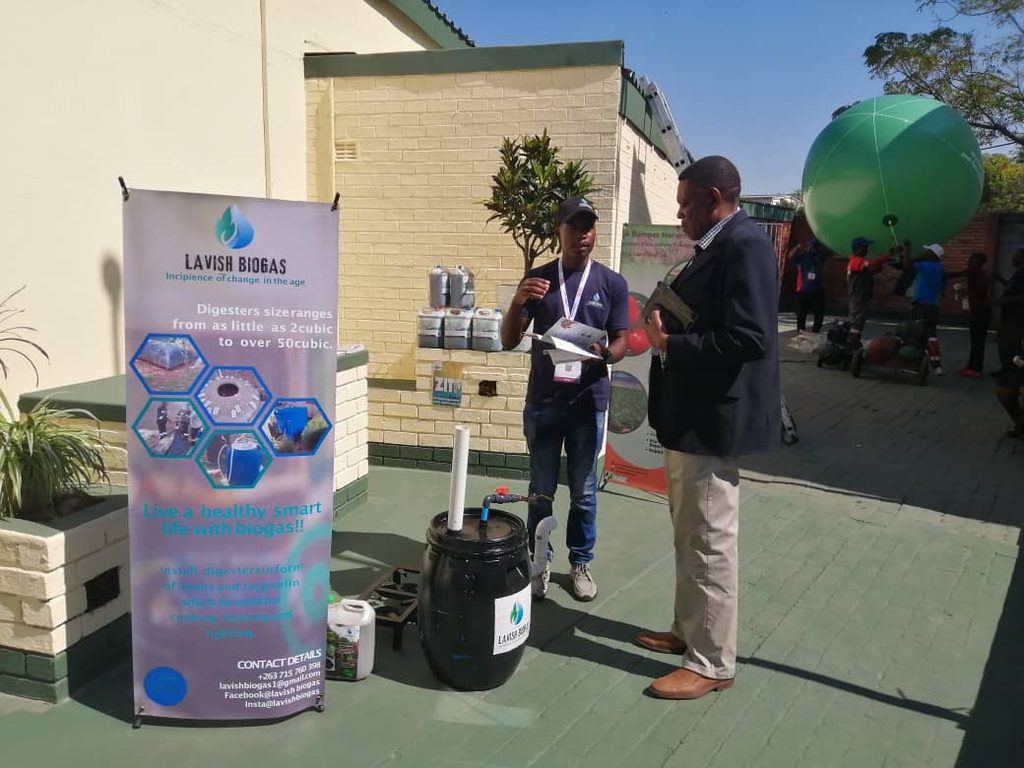
Lavish Bio Gas was named first runner-up in the Energy Transition Innovation Challenge under the BOOST Fellowship, supported by the Schneider Electric Foundation, after competing against more than 400 start-ups in Zimbabwe. This recognition has opened potential relationships with investors, customers and industry partners.
For the founders, the ambition extends beyond individual biodigesters. They envision decentralised energy infrastructure where waste becomes energy, energy generates data, and data becomes intelligence.

What began with a power cut could ultimately become an attempt to build a smarter energy network around resources Africa already has in abundance.
The company is now targeting a $100,000 seed round, 500 installations within 12 months and the start of carbon-credit verification. Over the next three to five years, it aims to exceed 2,000 installations and expand across sub-Saharan Africa.