Dangote Eyes East African Refinery as Kenya Takes Lead Over Tanzania
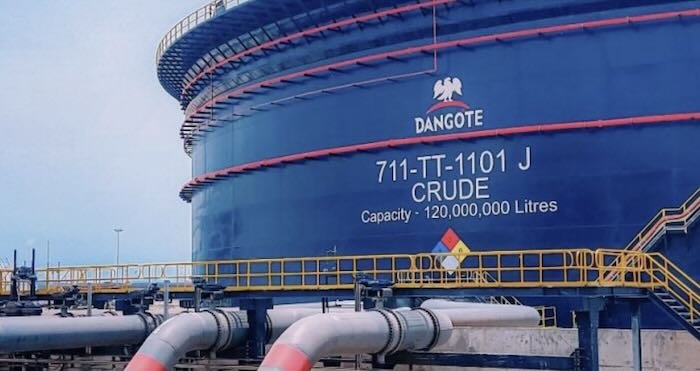
Nigerian industrialist Aliko Dangote is advancing plans for a major refinery investment in East Africa, with Kenya increasingly emerging as the preferred location for the proposed project.
The refinery, estimated to cost between $15 billion and $19 billion, would process up to 650,000 barrels of crude oil per day, placing it among the largest energy infrastructure developments ever proposed in the region. The project would mirror the scale of the Dangote Refinery in Nigeria, which has already begun reshaping fuel trade flows across Africa.
Speaking during the “The Africa We Build” summit in Nairobi, Dangote said the investment could proceed if regional governments provide the necessary regulatory and commercial support. Kenyan President William Ruto and Ugandan President Yoweri Museveni attended the discussions, reflecting the strategic importance of the proposal.
Kenya’s port city of Mombasa is now seen as the leading candidate for the refinery, overtaking Tanga. Dangote has cited Mombasa’s stronger port infrastructure, established logistics network and larger domestic fuel market as key advantages.
The development comes as African governments seek to reduce reliance on imported petroleum products amid rising geopolitical uncertainty and volatility in global energy markets. Concerns over disruptions around the Strait of Hormuz have renewed debate around energy security and the need for greater domestic refining capacity across the continent.
East Africa currently imports most of its refined fuels, exposing regional economies to price shocks, supply-chain disruptions and foreign exchange pressures. Analysts say local refining could improve supply stability while supporting industrial growth and regional trade integration.
For Kenya, hosting the refinery would reinforce its position as East Africa’s primary logistics and energy hub. The Port of Mombasa already serves several regional economies, including Uganda, Rwanda, Burundi and South Sudan.
The proposal has also exposed regional political sensitivities. Tanzanian President Samia Suluhu Hassan recently stated that her government had not been formally consulted before Tanga was publicly mentioned during the Nairobi summit.
Despite Kenya’s growing advantage, Dangote has maintained that Tanzania remains under consideration if negotiations produce favourable conditions. Analysts note that refinery projects of this scale require long-term policy stability, infrastructure support and measures to protect domestic refining operations from lower-cost fuel imports.
Beyond energy security, the project could stimulate investment in petrochemicals, logistics and manufacturing, further positioning East Africa as an emerging industrial and energy processing hub.