Namibia’s Offshore Oil Sector Sees Shift in Leadership as Female Representation Expands
Namibia’s offshore oil industry is entering a defining phase as it advances towards first oil later this decade, with a noticeable shift in leadership across government, regulation and industry. Women are increasingly occupying senior decision-making roles, reflecting broader changes in how the country is structuring governance for its emerging petroleum economy in the Orange Basin.
As exploration activity intensifies, institutional frameworks are being strengthened to support transparency, investment confidence and long-term sector stability. The diversification of leadership is now viewed by industry stakeholders as part of this wider structural build-out rather than a standalone policy outcome.
The African Energy Chamber (AEC) has highlighted inclusive leadership as a key factor in strengthening regulatory systems and improving the effectiveness of local content implementation. The organisation argues that embedding women within core decision-making structures enhances institutional capacity and ensures that resource development translates into broader economic participation.
AEC Executive Chairman NJ Ayuk has emphasised that Namibia’s upstream sector must align governance reform with inclusive participation, ensuring that communities and women are integrated into the energy value chain rather than remaining peripheral to it.
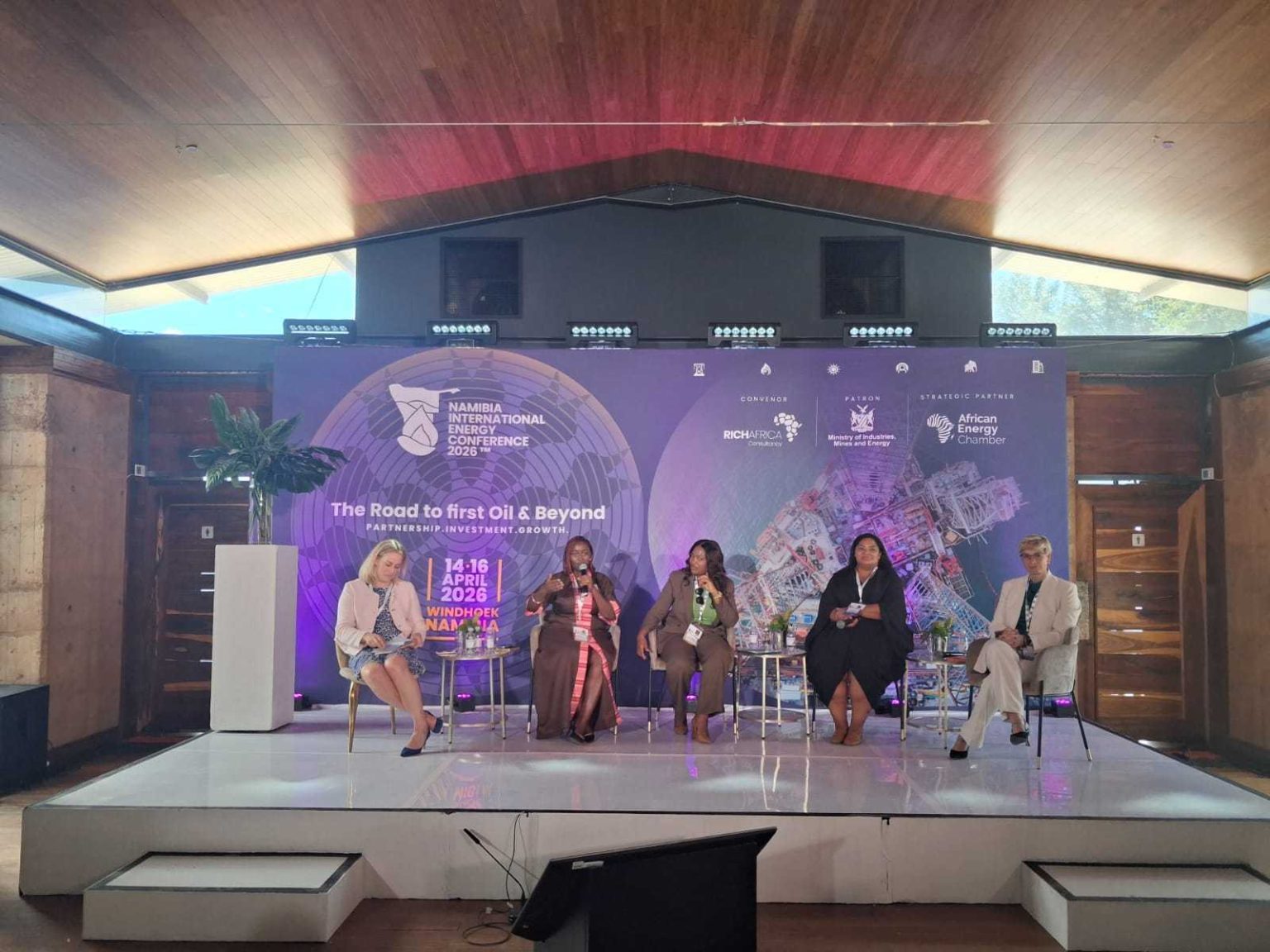
At the government level, energy oversight has been centralised under President Netumbo Nandi-Ndaitwah, whose administration is driving regulatory reform alongside accelerating offshore exploration. She officially opened the 2026 Namibia International Energy Conference in Windhoek, where policy alignment and upstream readiness featured prominently. A key legislative focus remains the Petroleum (Exploration and Production) Amendment Bill, designed to reinforce governance and regulatory clarity.
Within the Upstream Petroleum Unit, led by Kornelia Shilunga, emphasis is being placed on transparency and accountability, including stricter disclosure requirements for senior officials managing offshore resources.
International operators are also reflecting this leadership evolution. BP has introduced a senior structure featuring Meg O’Neill as Chief Executive Officer and Carol Howle as Deputy CEO, alongside its expansion into Namibia’s Orange Basin following the award of three offshore blocks.
Chevron has strengthened its local leadership capacity with Ndapewoshali Shapwanale appointed as Deputy Country Manager and Local Content Manager, supported by regional oversight from Beatrice Bienvenu, Country Manager for Namibia. The appointments signal a stronger focus on local integration and operational capability.
Beyond operators, capacity-building initiatives are gaining momentum. The Women in Oil, Gas and Energy Network, led by Rachel Msiska and Nyeuvo Amukushu, is developing structured pathways for women through mentorship and technical training. The initiative aligns with Namibia’s National Upstream Local Content Policy, aimed at deepening domestic participation in engineering, procurement and services.
At NIEC 2026, Petroleum Inspector Louise Hangero underscored the importance of continuous operational readiness in a sector defined by uninterrupted production demands and technical complexity.
From a legal and advisory perspective, firms such as Cliffe Dekker Hofmeyr Namibia are supporting regulatory development across Orange Basin projects, with practitioners including Frieda Kishi and Megan Rodgers contributing to upstream legal structuring.
Collectively, these developments reflect a broader shift in Namibia’s energy sector architecture, where regulatory reform, local content policy and expanding female leadership are converging to shape a more inclusive and operationally robust offshore oil industry.