
Botswana–Oman Deals Advance Energy and Minerals Strategy
Botswana has advanced its energy diversification strategy through a suite of agreements with Oman, spanning upstream minerals, fuel infrastructure and renewable power, following a high-level visit to Muscat.
During a three-day state visit, President Duma Boko and Sultan Haitham bin Tariq oversaw the signing of accords aimed at deepening bilateral economic cooperation and unlocking long-term resource value. The package reflects a broader policy shift by Gaborone to reduce its dependence on diamonds and expand into critical minerals and energy assets.
Central to the agreements is a joint mineral exploration initiative targeting underexplored regions, which account for an estimated 70% of Botswana’s landmass. The programme is expected to accelerate prospecting for copper, gold, graphite and iron ore—commodities increasingly tied to global energy transition supply chains.
The move comes against a backdrop of declining diamond revenues, historically responsible for roughly one-third of Botswana’s fiscal income. Market softness, driven by macroeconomic pressures and the growing uptake of synthetic stones, has reinforced the urgency of economic diversification.
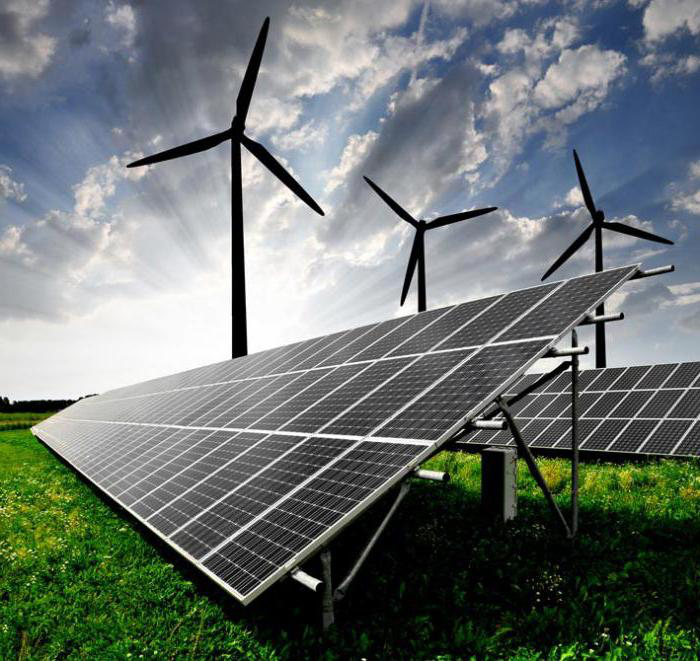
In parallel, Botswana is progressing a significant renewable energy project. A 500 MW solar facility, to be developed by NAQAA Sustainable Energy LLC, a subsidiary of O-Green, will be constructed in the country’s north-west. The plant is expected to operate for at least 25 years and forms part of Botswana’s target to increase renewables’ share of the power mix from approximately 8% to 50% by 2030.
Although financial terms remain undisclosed, the project is positioned as a cornerstone asset to enhance energy security and reduce reliance on imported electricity.
Further downstream, Botswana Oil Limited has entered into a joint development agreement with OQ S.A.O.C to establish oil storage infrastructure. The planned facilities, to be located in Walvis Bay and within Botswana, are expected to strengthen regional fuel logistics and supply resilience.
For Oman, the agreements align with its own economic diversification agenda, as it seeks to broaden its investment footprint beyond hydrocarbons despite recent revenue gains linked to elevated oil prices.
Collectively, the deals underscore a growing trend of cross-regional partnerships between African and Gulf states, particularly in sectors underpinning the global energy transition and resource security.