
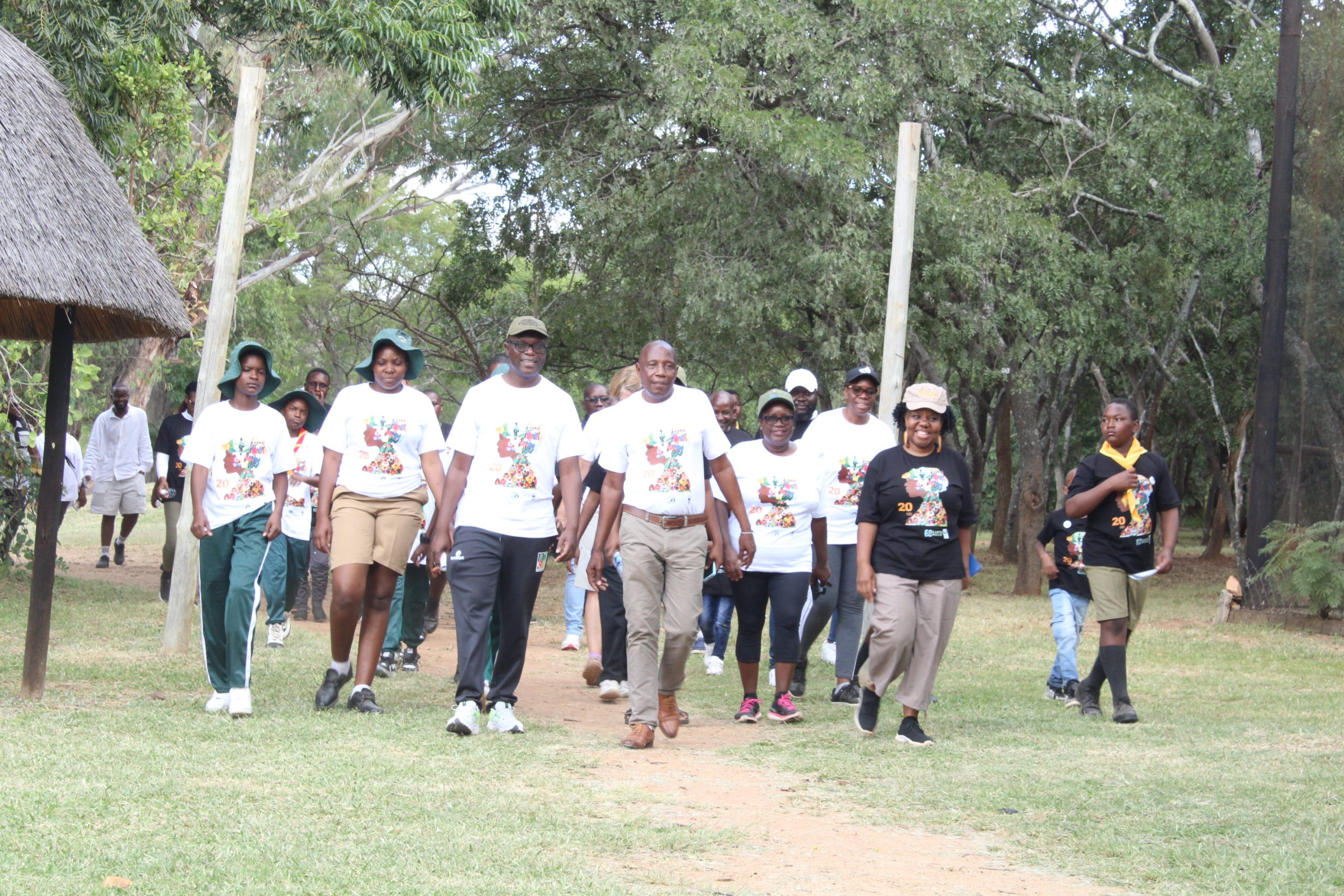
WWF Zimbabwe Celebrates 20 Years Of Earth Hour With Focus On Conservation And Collective Environmental Action
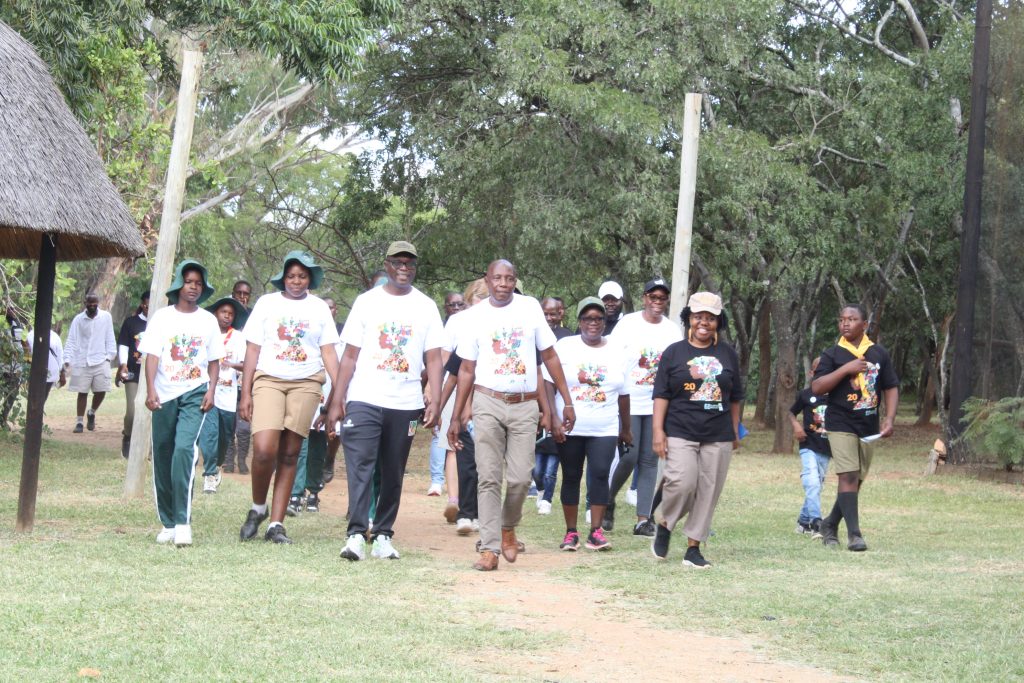
Earth Hour was commemorated over the weekend at Mukuvisi Woodlands in Harare, where conservationists, government officials and community organisations gathered for an intimate event organised by WWF Zimbabwe.
Proceedings began with a guided trail walk through the reserve, allowing participants to reconnect with nature in one of the city’s last remaining green spaces. Known for its rich biodiversity, Mukuvisi Woodlands offered a fitting backdrop, with sightings of wildlife reinforcing the importance of protecting fragile ecosystems in urban environments.
The commemoration brought together stakeholders, including the Zimbabwe Parks and Wildlife Management Authority and the Environmental Management Agency (EMA), reflecting a shared commitment to environmental stewardship.
Globally, Earth Hour, launched in Sydney in 2007, has grown into the world’s largest grassroots environmental movement, mobilising individuals and organisations across more than 180 countries. Its focus has increasingly shifted towards raising awareness about the value of nature and encouraging meaningful climate action.
This year’s theme, “Connect to Earth,” called on individuals to strengthen their relationship with nature and embrace values that support environmental sustainability.
WWF Zimbabwe Country Coordinator Itai Shibaya underscored the urgency of collective action, describing conservation as a personal responsibility. He warned that climate change poses a growing threat, with projections indicating a potential 38% decline in rainfall by 2050. Given that nearly 70% of Zimbabwe’s workforce depends on agriculture, he noted that such shifts could have far-reaching implications for livelihoods and food security.
Shibaya emphasised the role of initiatives like Earth Hour in driving long-term resilience through collaboration and community engagement. He reaffirmed WWF’s commitment to environmental education and empowering communities to take an active role in conservation.
A government representative echoed these concerns, highlighting challenges such as deforestation, land degradation, wetland loss and poor waste management. He cautioned that these issues are intensifying climate-related disasters, including droughts and floods, and called for sustained action beyond symbolic observances, stating that “every hour must become Earth Hour.”
In a speech delivered on behalf of the Minister of Environment, Climate and Wildlife, Evelyn Ndlovu, Edward Samuriwo, Director of Environment, reinforced the call for collective responsibility. He urged citizens to play an active role in protecting the environment, warning that environmental degradation continues to threaten livelihoods and biodiversity.
Regina Feindt, Deputy Country Director of Welt Hunger Hilfe (WHH), described the event as a powerful reminder of what collective action can achieve in environmental protection”Let us carry forward the message of Earth Hour – that a small action, like switching off the lights at 8:30 for an hour, can create meaningful change when multiplied globally. Being part of that movement is really special.”
As the event concluded, the message was clear: environmental stewardship must extend beyond a single moment. The call to “Connect to Earth” served as both a reminder and a challenge—one that requires sustained commitment to building a resilient and sustainable future for both people and nature.